Italy Hotels Without AC in 2026: The Honest Guide to Staying Cool in Tuscany & Siena
Shocked by Italy hotels without AC in Tuscany and Siena? Learn why many rooms hit 38°C, how to book real cooling, and 10 survival tips for summer heat.
In this guide
The Italian Hotel AC Shock That Catches US & UK Travellers Off Guard
Picture this: you've just arrived at your charming €150-a-night hotel in the heart of Tuscany after a long flight. You fling open the door, suitcase in hand, dreaming of a cool sanctuary. Instead, the thermometer reads 38°C. The air feels thick, the stone floors radiate warmth, and there is no reassuring hum of air conditioning. For many US and UK travellers, this moment is the first real culture shock of an Italian summer.
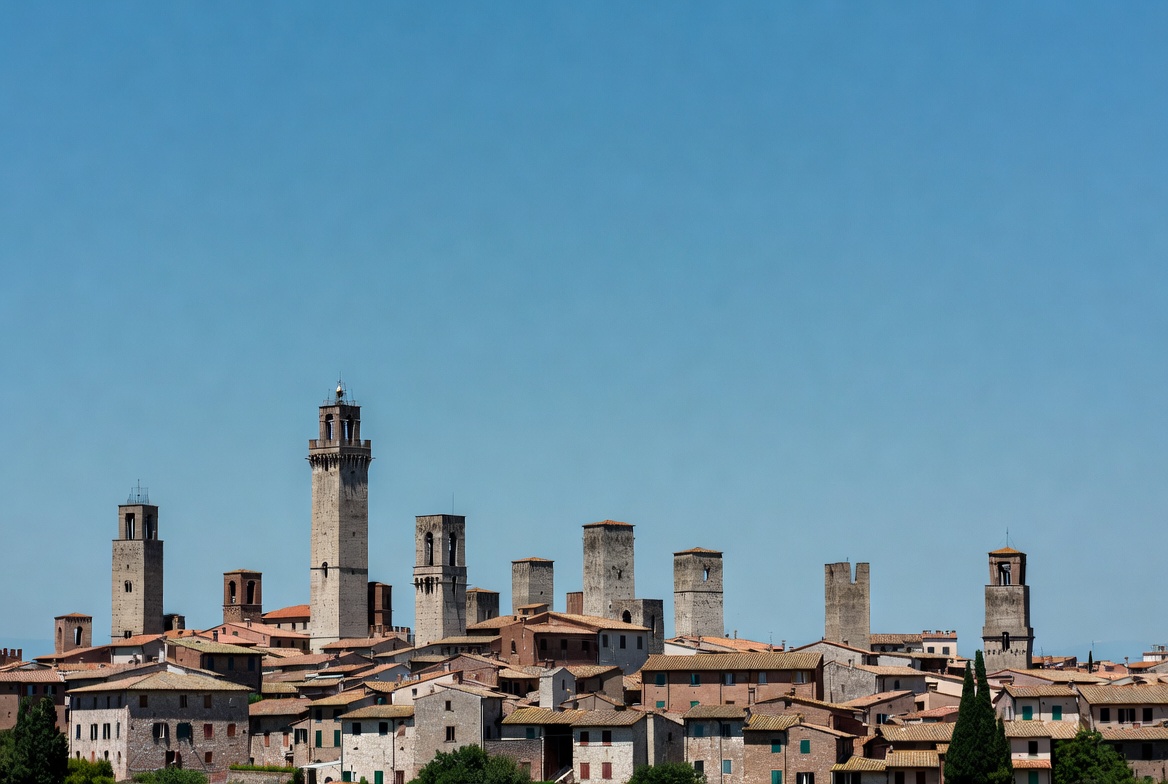
Italy's relationship with air conditioning is fundamentally different from America's. While US hotels treat powerful, icy AC as a non-negotiable standard, Italian properties — especially in historic Tuscany and Siena — rely on centuries-old passive cooling techniques. Thick stone walls, heavy wooden shutters, and strategic cross-ventilation were designed long before modern climate control existed. Retrofitting full AC systems into protected buildings is expensive, sometimes illegal, and not always desired by owners who prefer natural airflow.
Three-star hotels often list "air conditioning" on booking platforms, yet the systems struggle against 35–40°C exterior temperatures. Yet staying cool in Tuscany and Siena is entirely possible once you understand the rules. This honest guide reveals why AC is scarce, how to find properties that actually deliver reliable cooling, and practical strategies to thrive even when your room stays naturally warm. With the right preparation, you will trade refrigerated air for the authentic pleasure of a Tuscan evening breeze — and still sleep soundly.
Why Italian Hotels Often Don't Have (Good) AC
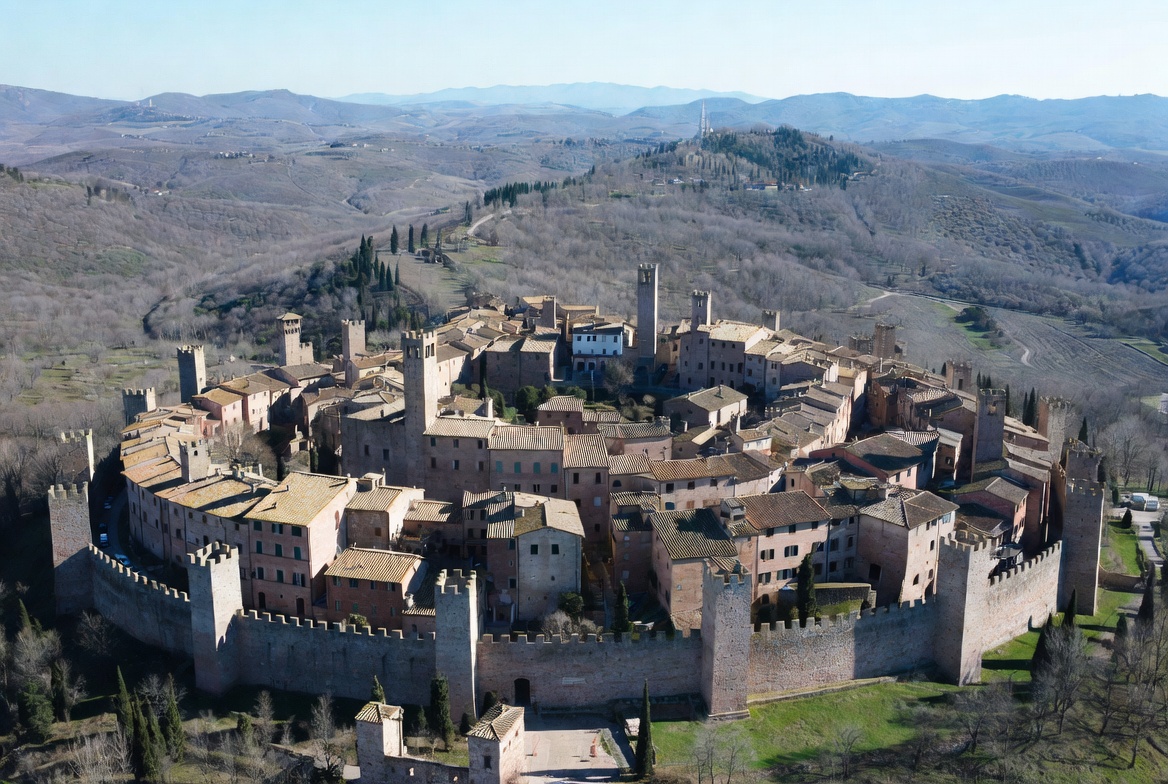
The absence — or weakness — of air conditioning in many Italian hotels is not a flaw in hospitality but a product of deep cultural, legal, and architectural realities. Historic buildings dominate Tuscany and Siena. These centuries-old stone villas, palazzi, and farmhouses were constructed with thick walls that absorb heat during the day and release it slowly at night. Retrofitting modern AC units often requires invasive work that can damage protected structures, making it prohibitively expensive or outright prohibited under Italy's strict heritage laws.
Energy regulations add another layer. Italian law restricts air conditioning in public and commercial buildings, typically setting a minimum temperature of around 26°C during the warmer months (May to September). This "Operation Thermostat" approach reflects Italy's national push for energy efficiency — values that resonate strongly in a country where summers have grown hotter but cultural habits have not shifted as quickly as in the United States.
Culturally, Italians view excessive cold air with suspicion. The phenomenon known as "colpo d'aria" — a sudden chill blamed for everything from neck pain to summer colds — makes many hoteliers wary of blasting refrigerated air. Instead, the preferred method remains practical and time-honored: closing heavy wooden shutters during the hottest hours, then opening windows after sunset to invite the cooler evening breeze.
Three-star hotels in particular often list "air conditioning" on booking platforms, yet the systems prove inadequate when external temperatures climb above 35°C. Four-star and luxury properties are more likely to invest in powerful, modern systems, but even these may operate with Italian restraint rather than American intensity. Understanding this reality removes the frustration and opens the door to appreciating Italy's elegant, low-tech solutions.
How to Find Hotels With REAL AC in Tuscany & Siena (Booking Tips)
Finding a hotel in Tuscany or Siena with genuinely effective air conditioning requires more than trusting booking-platform filters. The label "air conditioning" can mean anything from a powerful split-system unit to a portable device that barely moves the needle on a hot day. Savvy travellers treat the filter as a starting point only.
Step 1 — Search and read recent summer reviews. On Booking.com, select "air conditioning" as an amenity filter, then search reviews from June through September for phrases like "AC worked well," "room stayed cool," or "strong air conditioning." Current summer season reviews reveal true performance during heatwaves far better than older testimonials.
Step 2 — Email the hotel directly before confirming. Use this exact phrase:
*"Please confirm that every guest room has individually controlled air conditioning capable of maintaining comfortable temperatures (22–24°C) during peak summer heat when external temperatures exceed 35°C. Is the system powerful and available 24 hours without additional fees?"*
Hotels that answer confidently and specifically are far more likely to deliver what you need.
Siena properties that publish air conditioning as a room amenity. What follows is what each hotel states, not a verdict on how a room copes in August — that depends on the room, the floor and the day. Two of the four say the system is controlled per room, which is the detail that matters most:
- Hotel Athena — its room pages list "autonomous air conditioning and heating", so each room is set independently. The hotel also publishes free private parking and a panoramic terrace.
- Hotel Santa Caterina — states "each room is equipped with independent air conditioning/heating" and, unusually, publishes the operating window: the air conditioning runs from May to October. If you are travelling at the edges of that window, ask.
- Palazzo Ravizza — "Air Conditioning" appears in the published in-room amenity list, alongside private parking that the hotel states is free for guests.
- Relais degli Angeli — the hotel's own site does not publish a room amenity list; booking platforms record air conditioning in every room. Confirm it with the hotel rather than relying on the listing.
None of these hotels publish nightly rates on their own sites, so ask for a quote for your dates instead of budgeting from a headline figure. Rooms with genuinely independent cooling are not automatically the expensive ones.
*Air-conditioning details above checked against each hotel's official website on 26 July 2026, except Relais degli Angeli, which does not publish an amenity list.*
Agriturismi (farm stays) often outperform traditional city hotels in natural cooling. Their thick stone construction, rural location away from urban heat islands, and frequent inclusion of pools or shaded courtyards create a naturally cooler environment. Many now add modern AC as a bonus — making them excellent choices for families seeking authentic Tuscan serenity without sacrificing comfort.
10 Survival Tips If Your Room Has No AC
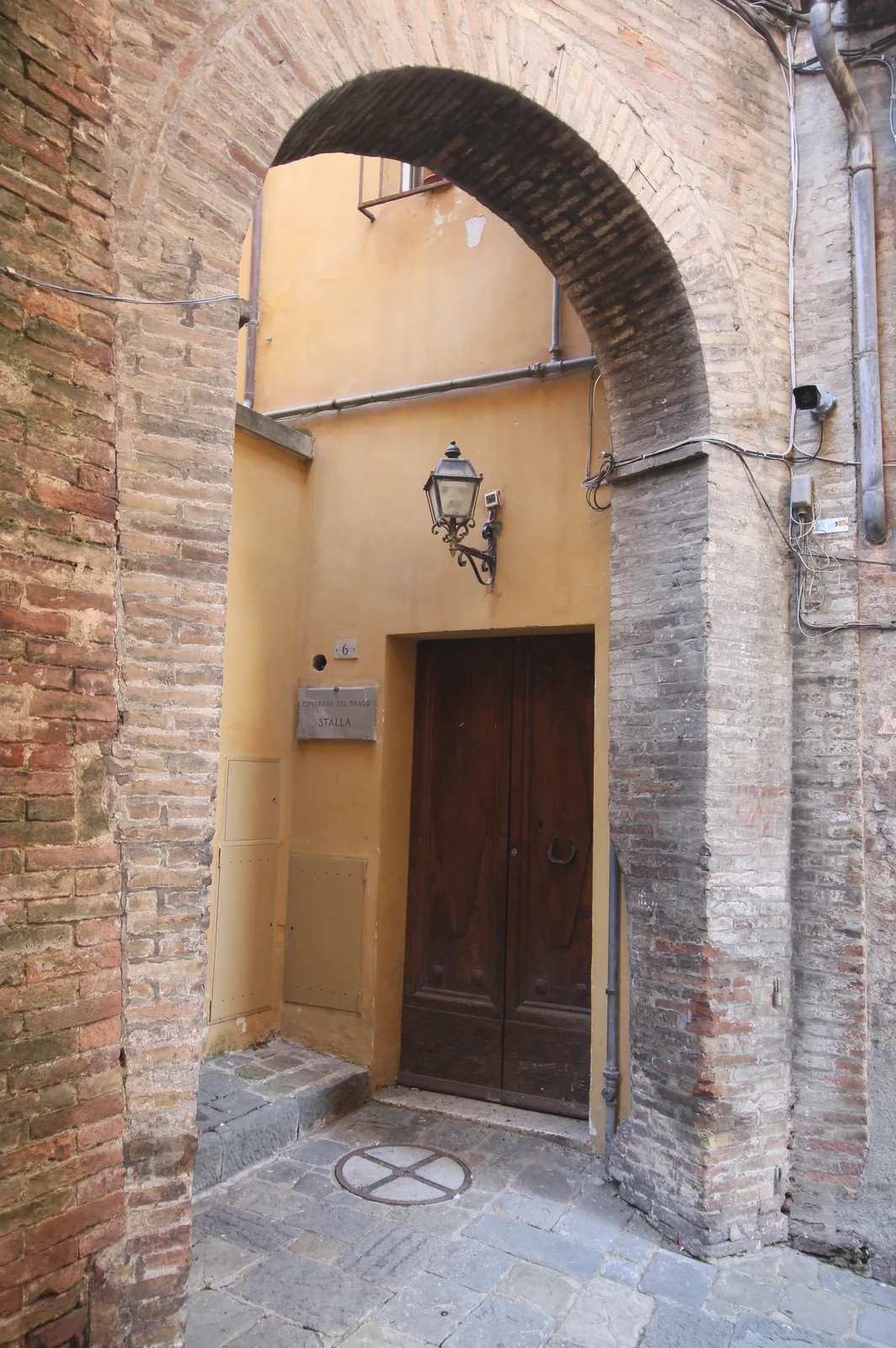
Even the most carefully chosen hotel may lack robust air conditioning. These battle-tested strategies turn a warm room into a manageable — even enjoyable — space.
- Request a lower-floor room. Heat rises in old stone buildings, so ground- or first-floor accommodations stay noticeably cooler than upper levels.
- Ask for a fan immediately on arrival. Most hotels keep portable fans in storage for precisely this situation. A simple oscillating model makes a surprising difference aimed at the bed.
- Master the shutter strategy. Close heavy wooden shutters tightly during the day to block sunlight and heat. Open everything wide after sunset to capture the cooler night air. This ancient technique remains one of Italy's most effective methods.
- Try the frozen water bottle pillow-case trick. Fill a plastic bottle, freeze it in the hotel bar mini-fridge, then slide it inside your pillowcase. The chilled fabric against your neck provides hours of relief.
- Time your shower strategically. A cool (not cold) shower right before bed lowers your core temperature and helps you fall asleep more comfortably in warm rooms.
- Seek free public cooling spots. Siena's churches and underground passages stay naturally cool thanks to thick stone and limited sunlight. The cool crypts beneath the Duomo offer welcome respite during the hottest midday hours.
- Adjust your sightseeing schedule. Explore outdoors from 6–10 a.m. and again from 6–9 p.m. when temperatures drop and the golden light is most beautiful. Midday belongs to shade, siesta, and aperitivo indoors.
- Pack a portable USB fan. Compact rechargeable models clip to a bed frame or backpack and provide targeted airflow. Lightweight, inexpensive, and surprisingly powerful.
- Choose north-facing or courtyard-facing rooms. North-facing windows receive far less direct sun; internal courtyards often trap cooler air that doesn't reach street-facing rooms.
- Use the "coperta" towel trick. Roll a damp towel and place it along the bottom of the door to block hot air from hallways. The slight evaporative cooling adds another layer of comfort.
Siena Specifically: Why It's Cooler Than Florence
Siena offers a distinct climatic advantage over Florence that makes it the smarter summer base for heat-sensitive US and UK travellers. Located at an elevation of 322 metres above sea level — compared with Florence's mere 50 metres — Siena enjoys naturally cooler nights and lower daytime peaks. The difference of several degrees may seem small on paper, yet it translates into noticeably more comfortable evenings and better sleep.
The city's medieval architecture enhances this advantage. Thick stone walls and narrow contrade streets function like natural wind tunnels, channeling evening breezes through the historic centre. Shade is abundant, and the compact layout means you are rarely far from a cool church, courtyard, or underground passage. Florence, by contrast, sits in a river basin that traps heat, with wider streets and larger palazzi that absorb and radiate warmth long after sunset.
Siena's elevated position and urban design create a microclimate that feels several degrees kinder during July and August. Travellers who choose Siena as their Tuscan base report fewer heat-related disruptions and more energy for exploring the surrounding countryside. For first-time visitors sensitive to extreme heat, Siena strikes the perfect balance: it delivers the full Tuscan experience — rolling hills, medieval charm, excellent food — without the oppressive daytime temperatures that can overwhelm stays in Florence. Pair this geographic edge with the survival strategies above, and Siena becomes an ideal summer headquarters.
Helpful summary
The short version
Shocked by Italy hotels without AC in Tuscany and Siena? Learn why many rooms hit 38°C, how to book real cooling, and 10 survival tips for summer heat.
Frequently asked
FAQ
Keep reading
Italy’s Beach Rules 2026: Booked Beaches, Real Fines & How the System Works
Italy’s 2026 beach rules, verified: which beaches now require booking, the fines that are real (mats, smoking, the 5-metre strip) and how it all works.
12 min read · Updated 2026-08-12

Italy Entry Requirements 2026: EES Is Live, ETIAS Is Delayed — What You Actually Need
Italy entry requirements in 2026, straight: the EES biometric border is live, ETIAS is delayed with no confirmed date, and the 90/180 rule now has teeth.
12 min read · Updated 2026-08-09
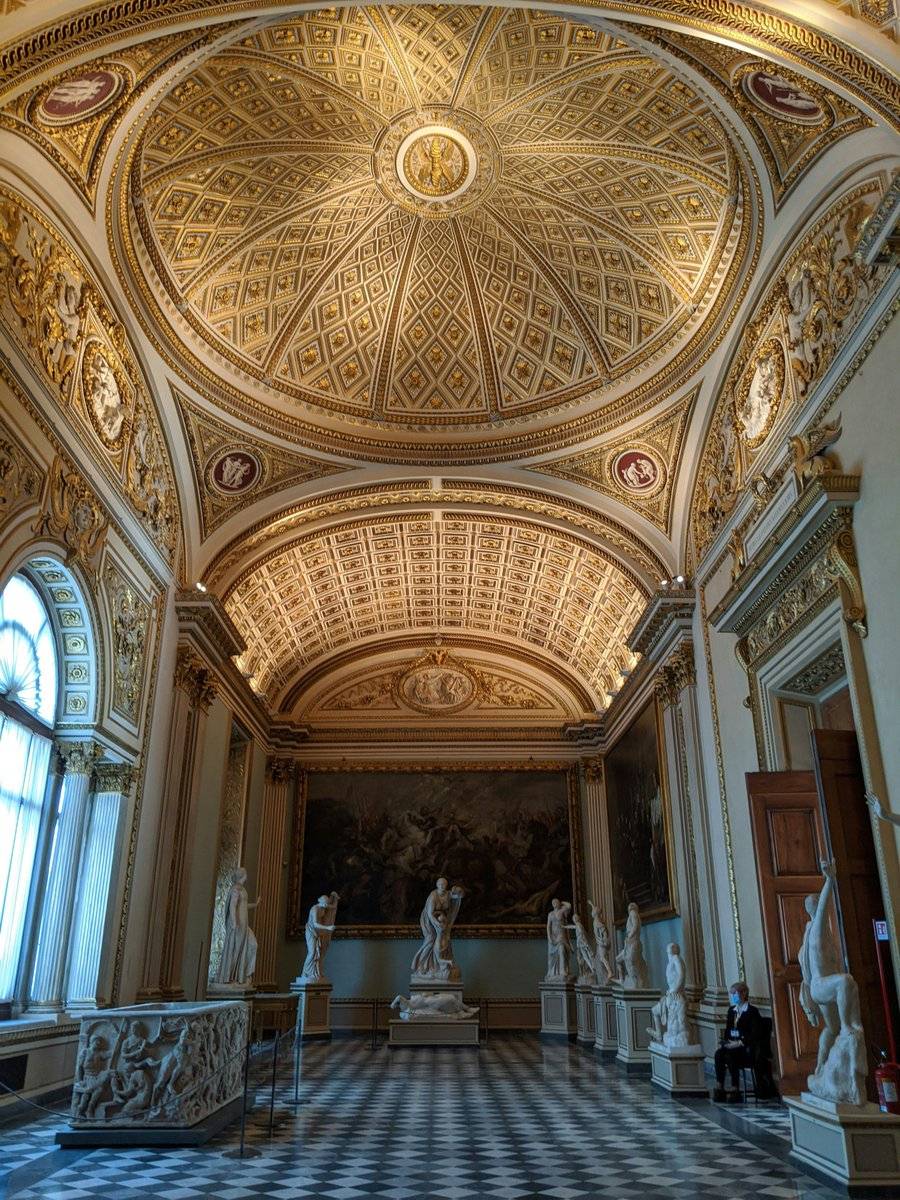
Florence or Siena: Which Should You Visit in 2026? An Honest Comparison
Florence or Siena in 2026? An honest comparison: first trips, bases, art, food, budgets, seasons — and how to combine both in one itinerary.
12 min read · Updated 2026-08-03