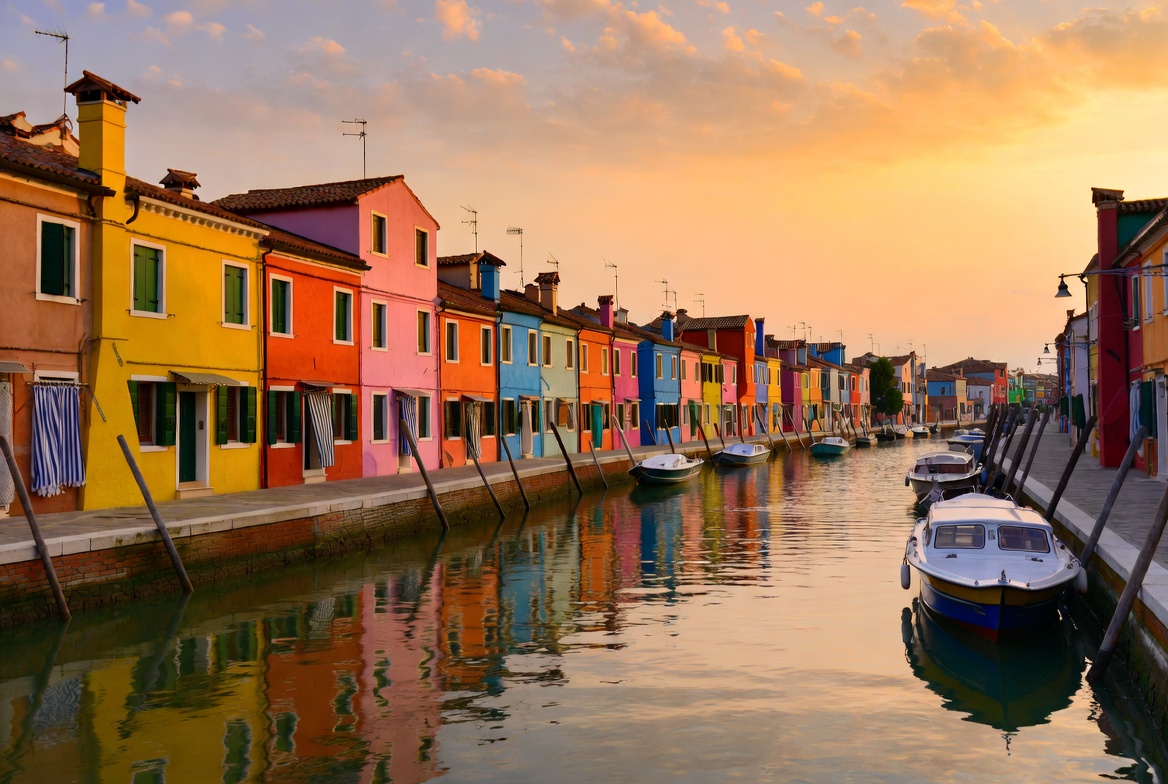
Italy’s Beach Rules 2026: Booked Beaches, Real Fines & How the System Works
Italy’s 2026 beach rules, verified: which beaches now require booking, the fines that are real (mats, smoking, the 5-metre strip) and how it all works.
In this guide
- Quick answer
- Why 2026 became the year of beach rules
- First, how Italian beaches actually work
- The booked beaches: Cala Violina and the Sardinian pattern
- The fines that are real
- The Tuscan coast, practically
- The beach-day playbook from Florence or Siena
- The unwritten rules: how Italians do the beach
- Beach days with children
- How to check any beach’s current rules
- How we checked these details
- Final thoughts
- FAQ
Quick answer
Italy has not “banned the beach”, whatever the headlines imply — but 2026 is the year the country’s most fragile coastlines moved decisively to capped numbers, advance booking and enforced conduct rules. The verified pattern, as checked in July 2026: Tuscany’s own Cala Violina caps entry at 700 people a day with a mandatory €1 booking all summer; Sardinia’s La Pelosa charges €3.50 and fines €100 for a towel laid without a rigid mat beneath it; Pesaro banned smoking across its entire beachfront from 1 April 2026 with fines up to €500; and everywhere, the five-metre shoreline strip must stay clear of towels and loungers. None of this touches the ordinary paid-beach-club day that remains Italy’s default. What changed, where, and how to have a flawless beach day anyway — below.
Why 2026 became the year of beach rules
The mechanics are the same as Florence’s street rules and Venice’s access fee: a finite, fragile asset meeting effectively infinite summer demand, and local government reaching for caps, fees and ordinances where goodwill stopped working. On the most photographed coves the problem is physical — trampled dunes, sand carried away a towel-load at a time, coastlines eroding under their own popularity — and the response has been to treat the beach less like open ground and more like a museum with a capacity.
What makes 2026 notable is scale: booking systems, once a Sardinian curiosity, now run from Tuscany’s Maremma to the islands, and the international press spent early July declaring it the summer of “beaches by reservation”. The direction of travel is one-way; the list of managed beaches will be longer next year, not shorter.
The reassuring counterweight, before the details: the overwhelming majority of Italy’s thousands of kilometres of coast needs no booking, charges no entry, and works exactly as it always has. The rules concentrate on a short list of celebrated places — and on behaviour that was never really acceptable anywhere.
First, how Italian beaches actually work
The context every rule sits inside — and the thing first-time visitors most often misunderstand. Italy’s coast divides into two regimes.
The stabilimento balneare — the beach club — is the default of Italian summer: a concession-run stretch of managed sand where you pay for the day (an umbrella and two loungers as the basic unit), and in exchange get facilities, a bar, showers, lifeguards and order. Prices vary enormously with glamour — the famous Versilia establishments around Forte dei Marmi occupy the luxury end — and August weekends book out at the popular ones. It is not a tourist trap; it is how Italians themselves do the sea.
The spiaggia libera — the free beach — is the public alternative: unmanaged sand, no fee, no services, bring everything yourself. Every comune must maintain public stretches, typically at the ends of or between the concessions, and they fill fastest on summer weekends.
Nearly all the new rules attach to specific *places* (capped coves) or specific *behaviour* (where your towel goes, what you light, what you take), not to this system itself. Know which regime you are standing in — the signage always tells you — and ninety per cent of beach-rule anxiety dissolves.
The booked beaches: Cala Violina and the Sardinian pattern
Cala Violina — the Maremma’s celebrated “singing sand” cove between Follonica and Punta Ala — is Tuscany’s flagship example, and its 2026 system is precise: from 1 June to 30 September, entry is capped at 700 people a day, access runs 8:30–18:30, and booking is mandatory through the official comune-run portal at €1 per person over twelve (younger children free, but still requiring a booking). Reservations open only within 72 hours of the visit date, the beach is reached by a 20–30 minute walk or cycle through coastal pine forest, and turning up unbooked in season means being turned away at the checkpoint, not negotiating.
Sardinia wrote the template Tuscany borrowed. La Pelosa at Stintino — the Caribbean-postcard beach of a thousand feeds — runs timed, capped entry at €3.50 per person (under-12s exempt from reservation), and pairs it with the conduct rules in the next section. Punta Molentis near Villasimius limits umbrellas, tents and gazebos to one per family group, positioned only where attendants permit, explicitly to slow erosion.
The shared logic: book the famous cove like you would a Duomo entry slot — early inside its booking window, with the confirmation on your phone — or choose one of the hundred unmanaged beaches nearby and skip the ceremony entirely.
The fines that are real
Filtered for what is verified rather than viral:
The mat rule. At La Pelosa, a towel laid directly on the sand draws a €100 on-the-spot fine — a rigid mat must sit beneath it, because towels strip sand grain by grain from a beach that is measurably shrinking. This is the origin of every “Italy fines you for a towel!” headline: real, but one named beach with a stated reason.
The smoking bans. Pesaro prohibited smoking across its entire beach area from 1 April 2026, with fines of €25–€500, and it joins a lengthening list of comuni restricting beach smoking; La Pelosa bans it outright. Assume any managed beach may be smoke-free and look for the signs.
The five-metre strip. The battigia — the strip nearest the waterline — must remain free for movement: no towels, loungers or umbrellas parked on it, anywhere. This one is national custom with local enforcement, and it is the rule casual visitors break most.
Taking the beach home. Removing sand, stones or shells is prohibited at protected sites and can be penalised heavily — the souvenir is a photograph.
Squatting the sand. Gear planted at dawn to claim territory, then abandoned, is confiscated on beaches across the country under local ordinances. Arrive, occupy, enjoy — but the towel does not hold a mortgage.
The Tuscan coast, practically
For readers of this site, the sea is usually a day trip or a two-day detour, and the coast splits into two characters.
Versilia, in the north-west, is the classic: a continuous ribbon of stabilimenti from Viareggio — carnival town in winter, beach town in summer, with its own railway station — up through Lido di Camaiore to Forte dei Marmi’s celebrity end. It is the easy car-free choice from Florence by train, the free-beach stretches are limited and busy, and an August Sunday here is an Italian cultural experience in its own right, in every sense.
The Maremma, in the south, is the wilder answer: pine-backed dunes, protected coves, and the region’s best swimming water around Castiglione della Pescaia, Punta Ala and the Cala Violina headlands — the same coast whose early harvest opens the wine season. It rewards a car and a booked cove, and pairs naturally with southern-Tuscany touring rather than a dash from Florence.
The honest matrix: easy beach day, no car — Versilia by train; best beach, with planning — Maremma with a Cala Violina booking; neither — the pool, which is why our August guide rates a pool-anchored base so highly in the hottest month.
The beach-day playbook from Florence or Siena
Timing: the sea is the one Tuscan excursion where August works in your favour — the franchigia keeps trains strike-free through the peak — but weekends double every queue, so a weekday beach day is worth rearranging for.
Getting there: Florence to Viareggio runs directly by rail; from Siena, everything coastal effectively routes by car, which argues for folding the sea into a Maremma overnight rather than a long single day.
Booking: check three things 72 hours out — the cove’s booking portal if you are aiming at a managed beach, the stabilimento’s availability if you want loungers on an August weekend, and the return timetable with the usual second-to-last-departure discipline.
Kit: water and shade double in importance on the exposed coast; the summer packing list covers it, and at a mat-rule beach the mat is the one item that cannot be improvised.
Conduct: the five-metre strip stays clear, smoke only where permitted, and everything carried in walks back out. The rules reward exactly the traveller this site writes for — the one who checked.
The unwritten rules: how Italians do the beach
Beyond the ordinances runs the etiquette — unenforced, universally observed, and the difference between blending in and broadcasting.
The Italian beach day has a liturgy: morning arrival and the establishment of camp; swimming in unhurried instalments; a proper lunch, either the stabilimento’s restaurant or a multi-course picnic that shames northern-European sandwich culture; the sacred digestive pause afterwards (the old no-swimming-after-eating doctrine survives as folk law); and the late-afternoon golden session before the evening passeggiata in beach-town whites. August regulars hold the same umbrella for weeks and treat it as an address.
The visitor’s translations: swimwear belongs on the sand and not in the town — the same fines Venice writes exist in beach towns’ centres; a cover-up and footwear go on for the bar; music stays in your headphones; and the beach empties for lunch for a reason worth copying rather than exploiting.
None of this is compliance — it is fluency, and it is the cheapest upgrade an Italian beach day offers. Watch the family under the next umbrella for ten minutes and you will learn more usable beach law than any ordinance publishes.
Beach days with children
For families, the stabilimento earns its fee several times over: shallow managed water, lifeguards, showers, shade you did not carry, bathrooms within toddler range, and the great Italian tradition of other children to absorb yours. Many run summer activity clubs, and August’s family-packed rows are their own childcare ecosystem. Book weekend loungers ahead in peak season the way you would a family room in Siena.
Free beaches suit self-sufficient families and fail unequipped ones — no facilities means every drop of water and inch of shade arrives on your shoulders, which on an exposed August beach is a real logistics exercise.
Two safety notes that double as rules: the flag system is binding in spirit everywhere — take a red flag seriously even where the water photographs like a pool; and the capped coves’ walking access (Cala Violina’s 20–30 forest minutes) is a genuine consideration with small children and full arms — a stabilimento with a car park may simply be the better family answer, and there is no prize for the harder version.
How to check any beach’s current rules
Beach rules are the most local regulations in Italy — written by comuni, varied cove by cove, and revised season by season — which is why this article names its examples and dates rather than promising a national table that would mislead within a year.
The verification routine takes five minutes: the comune’s website (the town hall of the beach you are visiting) publishes the summer ordinances and runs the booking portals — Cala Violina’s sits under Scarlino’s official system; the beach’s own signage at every access path states the binding local rules, in Italian and usually English at managed sites; and for stabilimenti, the establishment itself answers by phone or social channels — including the only question that matters on an August Saturday, which is whether there is space.
Distrust, as ever, the undated listicle: beach-fine stories recirculate for years exactly like Florence’s sandwich ordinance, attached to the wrong region or a repealed rule. Primary sources are unusually easy here — the comune either lists the ordinance or it does not.
*Italy’s crowded-coast pressures run the length of the country — the answers, increasingly, are caps, bookings and conduct rules.*
How we checked these details
Checked in July 2026: Cala Violina’s system — the 700-person daily cap, 8:30–18:30 access, mandatory 1 June–30 September booking at €1 per person over twelve, the 72-hour booking window and foot-or-bicycle access — against the comune’s official booking information; La Pelosa’s €3.50 ticket, under-12 reservation exemption, mandatory rigid mat with €100 fines, and its smoking and sand-removal prohibitions, plus Punta Molentis’ umbrella limits, against the beaches’ published rules and contemporaneous reporting; and Pesaro’s whole-beach smoking ban from 1 April 2026 with €25–€500 fines against its announcement coverage. The five-metre shoreline rule and unattended-gear confiscations reflect national norms enforced through local ordinances, which vary — always confirm the specific beach’s current rules on its comune’s official channels near your date. We have no affiliate relationship with any beach operator, stabilimento or booking platform; recommendations are editorial.
Final thoughts
Read cynically, 2026 is the year Italy put its beaches behind a booking form. Read accurately, it is the year a handful of the country’s most loved coves stopped being loved to death — and the price of admission turned out to be a euro, a mat and a little foresight. The system asks of a beach day exactly what this site asks of every Tuscan day: check the primary source, book the thing with a capacity, arrive early, and behave like a guest. Do that, and the reward is the old promise intact — clear water over singing sand, pine shade at your back, and the satisfying knowledge that the crowd who didn’t check is somewhere else, arguing with a checkpoint.
Helpful summary
The short version
Italy’s 2026 beach rules, verified: which beaches now require booking, the fines that are real (mats, smoking, the 5-metre strip) and how it all works.
Frequently asked
FAQ
Keep reading

Italy Entry Requirements 2026: EES Is Live, ETIAS Is Delayed — What You Actually Need
Italy entry requirements in 2026, straight: the EES biometric border is live, ETIAS is delayed with no confirmed date, and the 90/180 rule now has teeth.
12 min read · Updated 2026-08-09
Italy Hotels Without AC in 2026: The Honest Guide to Staying Cool in Tuscany & Siena
Shocked by Italy hotels without AC in Tuscany and Siena? Learn why many rooms hit 38°C, how to book real cooling, and 10 survival tips for summer heat.
9 min read · Updated 2026-07-26

Uffizi Tickets Sold Out? What Actually Works, and What Wastes Your Money
Uffizi sold out for your dates? The honest options — the same-day afternoon ticket, the phone line, real Plan B museums — and the traps to avoid.
14 min read · Updated 2026-09-01