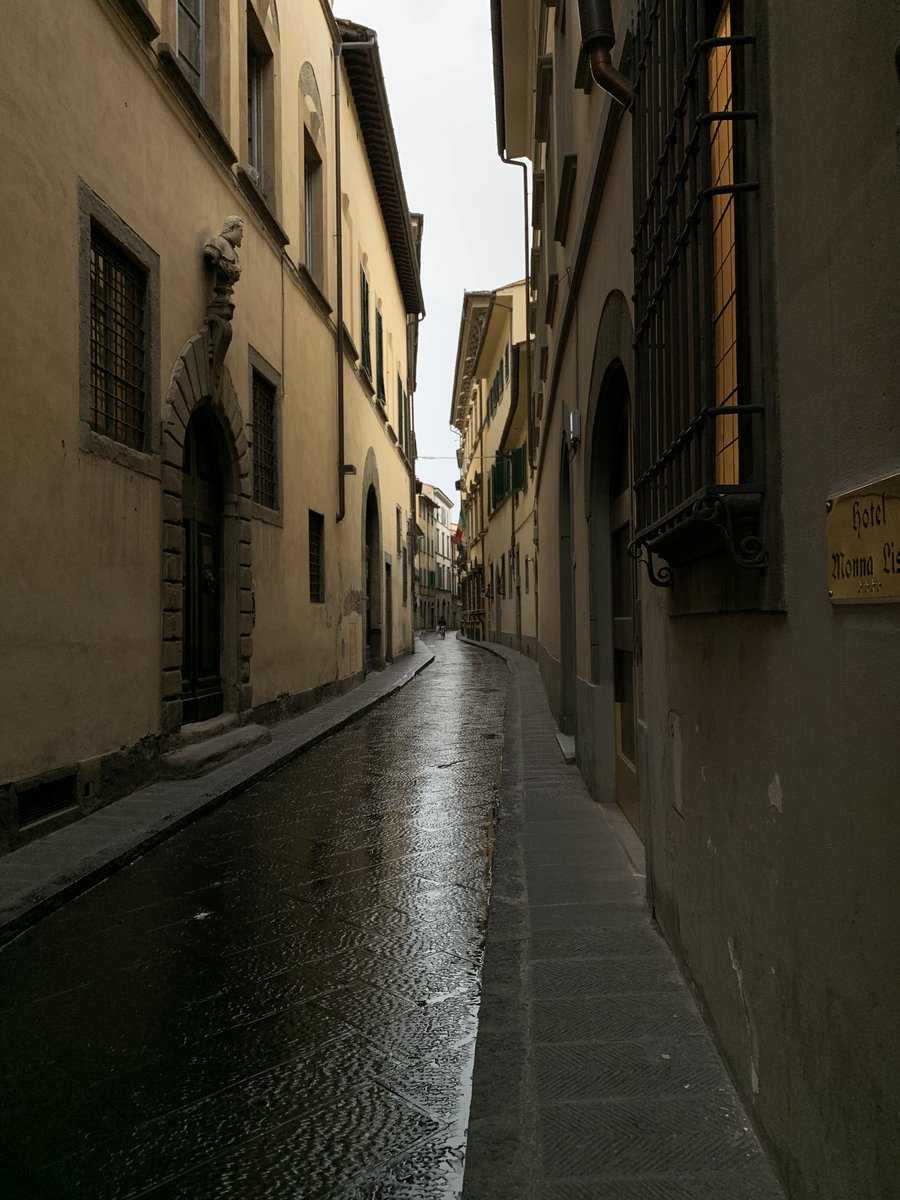
Italy Transport Strikes: The Calm Traveller’s Guide (2026)
How Italy’s transport strikes really work: the summer strike ban, guaranteed service windows, your compensation rights and where real dates live.
In this guide
- Quick answer
- Why strikes feel scarier than they are
- The summer ban: why August is the safest month
- Guaranteed windows: the 06:00–09:00 and 18:00–21:00 rule
- Where the real dates live
- How to read a strike announcement
- The strike-day playbook: trains and buses
- Flights: your rights are stronger than you think
- The Tuscany lens: what strikes actually threaten here
- How we checked these details
- Final thoughts
- FAQ
Quick answer
First, the news that defuses most August anxiety: Italy’s summer strike ban — the franchigia estiva — legally bars air and rail strikes from 27 July to 5 September, so the peak holiday weeks you are probably reading this for are protected by law. For the rest of the year, Italian transport strikes are real but radically more manageable than the headlines suggest: they are announced well in advance, published on official calendars, limited by guaranteed service windows (roughly 06:00–09:00 and 18:00–21:00 for regional transport), and softened by lists of long-distance trains that run no matter what. Add the fact that an airline’s own crew striking still entitles you to EU compensation, and the Italian sciopero turns out to be one of Europe’s most navigable travel disruptions — once you know the machinery. This guide explains it.
Why strikes feel scarier than they are
The English word “strike” conjures a shutdown; the Italian sciopero is closer to a scheduled, regulated slowdown. Three structural facts separate the fear from the reality.
They are announced, not sprung. Italian law requires advance notice for transport strikes, which is why every one of them appears on an official government calendar days or weeks ahead. A strike can catch you unprepared, but it cannot catch you unannounced.
They are partial, not total. Essential-service law obliges operators to keep minimum services running: commuter-band trains, listed long-distance services, and legally protected time windows. “Rail strike” in Italy has never meant “no trains”.
They are short. The standard format is a single day — often 24 hours from evening to evening, or a defined stretch like 09:00 to 17:00 — with normal service resuming immediately after. Multi-day transport strikes are rare enough to be national news.
The travellers who get burned are almost always the ones who never checked, booked the last connection of the day, and met the one gap in the system. Every section below exists to make you the other kind of traveller.
The summer ban: why August is the safest month
Italy protects its own holiday season by statute. The franchigia estiva forbids strikes in the air and rail sectors from 27 July to 5 September, bracketing the national holiday migration around Ferragosto — which means the country’s busiest travel weeks are, counter-intuitively, its most strike-proof.
The practical read for visitors: an August itinerary needs no strike contingency at all for trains and flights, and this is one of the few unqualified logistical advantages the hardest month holds over the shoulder seasons. Similar protected windows exist around other major holiday periods and election days; the summer one is simply the longest and the most relevant to international visitors.
Two honest footnotes. The ban covers industrial action, not everything else that can disrupt travel — engineering works, weather and ordinary delays operate year-round, as the Florence rail-hub works of late July 2026 demonstrated to anyone routed around them. And local-transport sectors outside air and rail have their own calendars, so the ban is a strong shield rather than a total one. But as a planning fact it stands: strike risk in Italy is seasonal, and late summer is its floor.
And the floor has an end date: 5 September 2026. The autumn calendar filled fast — at our 9 September re-check, Italian strike-calendar reporting showed the month opening with a 24-hour national rail strike across 7–8 September (train crews at Trenitalia, Trenitalia Tper and Mercitalia, 21:18 on the 7th to 21:17 on the 8th — now past), and ahead: 13 September strikes by airport staff at Rome's Fiumicino and Ciampino and at Toscana Aeroporti — Florence and Pisa — directly relevant to a Rome arrival or a Tuscan one, with Tuscan airport staff also declining overtime from 13 September to 12 October; the month's headline, a 24-hour general strike on 26 September called across all sectors from schools and health to transport and fuel stations; and an air-transport strike on 30 September. New proclamations are added weekly, so treat that list as the shape of the month, not the final word: the official calendar remains the only source that matters for your specific date. Travelling in September? Run the three-minute workflow this guide teaches, and expect to actually use it.
Guaranteed windows: the 06:00–09:00 and 18:00–21:00 rule
The heart of the Italian system is the fascia di garanzia — the guaranteed service window. On strike days, regional trains and local public transport are legally required to run essentially normal service during the commuting bands, roughly 06:00–09:00 and 18:00–21:00, Monday to Saturday. The strike occupies the hours between and around them.
This single fact converts most strike days from cancelled plans into rescheduled ones. A Florence day trip on a strike day is not impossible — it is a day trip that travels out in the morning window and back in the evening one, with the middle of the day spent exactly where you wanted to be anyway. The traveller who internalises the bands loses a little flexibility; the traveller who ignores them loses the day.
Long-distance travel has a parallel protection: operators publish lists of guaranteed national trains — specific high-speed and InterCity services that run on every strike day, holidays included. Before any strike-day journey, the sequence is: check whether your train is on the guaranteed list; if not, move it into a window or onto a listed service; and screenshot what you decide, because the information desk queue on strike morning is the one queue this guide cannot shorten.
Sundays and holidays carry their own patterns, and individual strikes can vary their stated hours — which is why the next section matters more than any rule of thumb.
Where the real dates live
Strike rumours travel through hotel lobbies and social feeds; strike facts live in exactly three places.
The national strike calendar maintained under Italy’s transport ministry lists every announced action — sector, region, hours, unions — and is the canonical answer to “is there a strike on my date”. The strike-oversight authority (the Commissione di Garanzia, which polices the essential-services rules) publishes the regulatory picture. And the operators themselves — Trenitalia and Italo for rail, Autolinee Toscane for Tuscan buses, each airline and airport for flights — publish the service-level detail that actually decides your day: guaranteed train lists, revised timetables, rebooking and refund arrangements.
The workflow that takes three minutes per trip: check the calendar when you book, check it again the week you travel, and on any flagged date go straight to your operator’s strike page for the specifics. Skip the aggregator sites when the primary sources are this good — a lesson our editorial standards apply to everything, and one that matters doubly for a topic this rumour-prone.
One Tuscan specific: Autolinee Toscane announces bus strikes with the same advance notice and band structure, so the 131R and the rural lines follow the same playbook — morning band out, evening band back, and the middle of the day planned around it.
How to read a strike announcement
Strike listings look bureaucratic until you know which four fields decide your day.
Sector tells you what is actually affected: “trasporto ferroviario” is rail, “trasporto pubblico locale” is city buses and trams, “trasporto aereo” is aviation — and a strike in one sector leaves the others running normally. Half the panicked lobby conversations we have overheard involved a rail traveller worrying about a bus strike.
Territory narrows it further: national actions are the headline-makers, but many listings are regional or even single-company — a Milan local-transport strike is weather on the other side of the country for a Tuscany itinerary.
Hours are the operative fact: “24 ore” typically runs from one evening to the next (often 21:00 to 21:00), while a “dalle 09:00 alle 17:00” action leaves both commuter bands untouched by design. Match the stated hours against the guaranteed windows and your plan usually survives intact.
The union footprint is the subtlest field: action called by a single small union generally means a thinner strike — more services run than the announcement implies — while the major confederations acting together signal a day to take at face value.
Ten seconds per field, and a listing that read as “Italy on strike” resolves into “buses in one region, midday only, minor union”. That translation skill is the whole game.
The strike-day playbook: trains and buses
If a flagged date and your itinerary collide, run this sequence.
Reshape, don’t cancel. Move intercity journeys onto guaranteed-list trains or into the protected bands. A strike day is a bad day to *transfer* between cities and a perfectly good day to *be* in one — swap the travel day with a sightseeing day if the itinerary allows.
Know your ticket rights. For cancelled services, operators provide rebooking onto later trains or refunds under their published strike arrangements — claim through the operator’s channels rather than assuming the money is lost.
Build the buffer where it counts. The standing rule from every day-trip guide on this site — treat the second-to-last connection as your last — becomes non-negotiable on strike-adjacent days. Never let a strike evening hold your only route to an airport hotel.
On the day, verify before you walk. Individual services in the bands occasionally run late or crowded as demand compresses into them; the operator’s live app tells you more than the platform display’s optimism.
And keep perspective. A well-played strike day in Florence or Siena is indistinguishable from a normal day with slightly odd transport hours — the museums, the long lunch and the evening passeggiata never went on strike in the first place.
A worked example makes it concrete. Suppose a 24-hour rail strike lands on the day you planned to move from Florence to Siena. The guaranteed-list check takes two minutes; if nothing suits, the 131R bus may be unaffected entirely (different sector), and if both are flagged, the move shifts to the morning window — bags packed the night before, the 07:40 out, checked in by nine, and the “strike day” becomes a full first day in Siena instead of a lost one. That is the standard shape of a solved sciopero: not heroics, one evening of reading.
Flights: your rights are stronger than you think
Air strikes divide into two legal species, and the difference is worth money.
When the airline’s own staff strike — pilots or cabin crew — European courts have ruled this is *not* an “extraordinary circumstance” under the EU’s air passenger rights regulation. Translation: beyond rerouting or refund, you may be owed cash compensation of €250–€600 for a cancellation or long delay caused by the airline’s own workforce, depending on route distance. Airlines rarely volunteer this; claim it in writing, and persist.
When the strike is external to the airline — air-traffic control, airport ground staff, security — it generally does count as extraordinary, which switches off the cash compensation. But the airline’s duty of care survives: rerouting at the earliest opportunity or a refund, plus meals and accommodation where waits stretch. “The strike isn’t our fault” is a defence against compensation, never against care.
In both cases the practical moves are identical: let the airline rebook you rather than abandoning the ticket, keep receipts for reasonable expenses, and put claims in writing afterwards. And remember the calendar advantage — within the 27 July–5 September franchigia, Italian air-sector strikes are off the table entirely, which quietly makes late summer the safest booking window for tight connections.
The Tuscany lens: what strikes actually threaten here
Filter the national picture through a Tuscan itinerary and the exposure shrinks further.
Least exposed: the walking core. A trip based inside Siena’s walls or central Florence barely notices a local-transport strike — the historic centres run on feet.
Moderately exposed: the day-trip network. Bus-based excursions — San Gimignano, the Val d’Orcia lines — feel strike days most, because rural routes have no metro-style density to absorb them. The fix is scheduling, not cancellation: shift the countryside day to the clear date and give the strike day to the city.
Most exposed: the transfer days. Airport runs and city switches are where a strike costs real money, which is why the airport-transfer guide’s margin-of-safety advice exists. Check the calendar before fixing flights, and never schedule an arrival or departure transfer entirely inside a flagged strike’s hours.
July 2026 illustrated the pattern: a wave of actions peaked on 21 July — inside the notice system, published in advance, navigated by everyone who looked — and then the franchigia dropped its curtain on the 27th. The system is noisy, regulated and survivable. That is the whole story, most years.
How we checked these details
Checked at the end of July 2026: the summer strike ban’s 27 July–5 September span for the air and rail sectors, the guaranteed-window structure for regional and local transport (roughly 06:00–09:00 and 18:00–21:00, Monday–Saturday) and the existence of published guaranteed national train lists, against Italy’s essential-services framework as described by the strike-oversight and transport-ministry sources and the operators’ own strike pages; and the EU passenger-rights distinction — airline-staff strikes not qualifying as extraordinary circumstances, external strikes qualifying but preserving the duty of care — against the European courts’ established interpretation of the air passenger rights regulation. Individual strikes set their own hours and service levels: always verify your specific date on the official calendar and your operator’s strike page. The September 2026 proclamations cited (national rail 7–8, Rome and Tuscan airports 13 with the Tuscan overtime ban to 12 October, the general strike of 26 September, air transport on 30 September) reflect Italian strike-calendar reporting at our 9 September 2026 re-check, which superseded the 9 August list; the autumn list will grow, and the official MIT calendar supersedes anything written here. We have no affiliate relationship with any operator, airline or claims service; recommendations are editorial.
Final thoughts
Somewhere in the imagination of every first-time visitor is a strike that strands them on a platform with a dead itinerary. The real Italian version is almost disappointingly orderly: a date on a public calendar, a morning window that runs anyway, a list of trains that never stop, a legal quiet season covering the exact weeks most visitors fly, and a compensation regime that pays out when an airline’s own crew grounds you. Respect the system’s two demands — check the calendar, protect your transfer days — and the sciopero joins the ZTL and the validation machine in the family of Italian travel monsters that turn out, on inspection, to be paperwork. Plan the trip. Italy will mostly run it on time.
Helpful summary
The short version
How Italy’s transport strikes really work: the summer strike ban, guaranteed service windows, your compensation rights and where real dates live.
Frequently asked
FAQ
Keep reading
Tuscany Without a Car: The Complete Siena-Based Guide
Tuscany without a car works — from the right base. The bus and rail system from Siena: lines, times, tickets, the Sunday rule and what truly needs wheels.
12 min read · Updated 2026-08-25
Should You Rent a Car in Florence or Siena? The Decision, Honestly Argued
Rent the car in Florence or Siena? Where the offices are, how ZTL exposure differs, what one-way drops cost you, and the answer by trip shape.
12 min read · Updated 2026-08-22
Renting a Car in Tuscany: The Honest Guide (2026)
Renting a car in Tuscany, honestly: the IDP law most guides get wrong, insurance excess maths, toll-lane survival, fuel false friends and ZTL discipline.
16 min read · Updated 2026-08-18