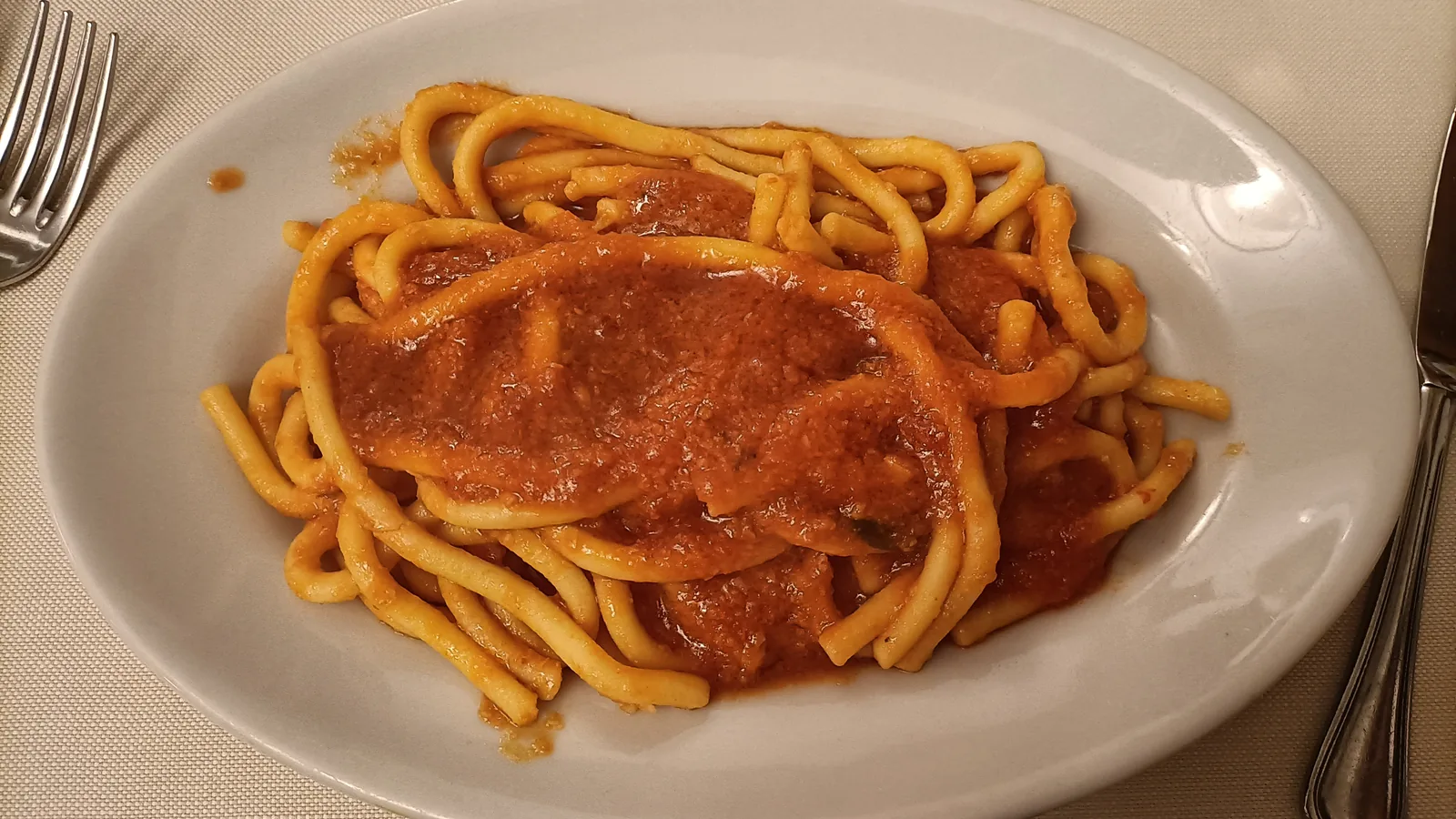
Tuscan Food Guide: 25 Dishes Worth Ordering, and Why
Twenty-five Tuscan dishes and drinks worth ordering, what makes each one local, and the dining habits that shape a Tuscan menu.
Photo: Superchilum, CC BY-SA 4.0. Cropped to 16:9, resized, and converted to WebP.
In this guide
- Introduction
- Essential Tuscan dishes at a glance
- Understanding cucina povera
- Bread-based dishes
- Pasta and first courses
- Meat and hearty main dishes
- Coastal and Maremma food
- Cheese, cured products, and pantry ingredients
- Tuscan sweets
- Tuscan wine without turning the guide into a label list
- What to order in Siena
- How to read an Italian menu
- Dining times and reservations
- Vegetarian, vegan, gluten-free, and allergy planning
- How to choose a food tour
- Final thoughts
- FAQ
Introduction
Tuscan food is built less around elaborate technique than around excellent ingredients, seasonality, and the habit of wasting very little. Unsalted bread becomes soup or salad, beans become a substantial meal, simple pasta carries local sauces, and regional differences matter as much as famous labels.
A useful Tuscany food guide should therefore answer two questions: what should you order, and where does that dish make the most sense?
Quick answer: Start with ribollita, pappa al pomodoro, panzanella, crostini neri, pici, bistecca alla fiorentina, wild-boar ragù, pecorino Toscano, cantucci with Vin Santo, and Siena’s ricciarelli or panforte. On the coast, add cacciucco; in Florence, consider lampredotto; in Maremma, look for acquacotta.
Essential Tuscan dishes at a glance
| Dish or product | What it is | Best associated area |
|---|---|---|
| Ribollita | Bread, bean, and vegetable soup | Central Tuscany |
| Pappa al pomodoro | Tomato and bread dish | Florence and wider Tuscany |
| Panzanella | Bread and tomato salad | Tuscany, especially summer |
| Crostini neri | Toast with savory liver spread | Central Tuscany |
| Pici | Thick hand-rolled pasta | Siena and southern Tuscany |
| Bistecca alla fiorentina | Thick grilled beef steak | Florence |
| Cinghiale | Wild boar, often as ragù or stew | Rural Tuscany |
| Cacciucco | Fish stew | Livorno |
| Acquacotta | Rustic bread and vegetable soup | Maremma |
| Pecorino Toscano | Sheep’s-milk cheese | Across Tuscany |
| Lardo di Colonnata | Seasoned cured pork fat | Carrara area |
| Ricciarelli | Soft almond biscuits | Siena |
| Panforte | Dense spiced fruit-and-nut sweet | Siena |
| Cantucci and Vin Santo | Almond biscuits with dessert wine | Widespread Tuscany |
| Schiacciata all’uva | Grape harvest bread | Florence and central Tuscany |
Understanding cucina povera
Many Tuscan classics come from cucina povera, a tradition of making satisfying food from modest ingredients. The phrase does not mean flavorless or inferior cooking. It describes resourcefulness: old bread is transformed, beans are treated with care, and seasonal vegetables carry the meal.
This history explains why bread appears so often. Traditional Tuscan bread is commonly unsalted, making it useful alongside strongly flavored cured meats, cheeses, sauces, and soups.
The best meals often look simple on the menu. Ingredient quality and correct season matter more than decorative presentation.
Bread-based dishes
1. Ribollita
Ribollita is a thick soup of bread, beans, and vegetables, traditionally reheated and improved over time. Recipes vary, but cavolo nero is strongly associated with the dish.
It is especially satisfying in cooler weather. Avoid judging it against a light broth; a good ribollita is substantial enough to be a meal.
2. Pappa al pomodoro
Pappa al pomodoro combines tomatoes, bread, olive oil, garlic, and basil into a soft, intensely flavored dish. It is at its best when tomatoes are good, which makes it particularly appealing in warmer months.
The texture can surprise travellers expecting soup. Think of it as a rustic bread-and-tomato preparation rather than a thin liquid course.
3. Panzanella
Panzanella is a summer salad using bread, ripe tomatoes, onion, and other seasonal ingredients. It demonstrates the Tuscan habit of turning leftover bread into something fresh rather than discarding it.
Order it when tomatoes are in season. A winter version may be less convincing unless the kitchen has excellent ingredients.
4. Fettunta
Fettunta is grilled or toasted bread rubbed with garlic and dressed with olive oil. It is simple enough to expose poor oil immediately.
During the new-olive-oil season, fettunta can be one of the clearest ways to taste the oil itself.
5. Crostini neri
Crostini neri are small toasts with a savory spread commonly based on chicken livers. They often appear in mixed antipasti and are a strong introduction to central Tuscan flavours.
Ask about ingredients when dietary restrictions apply. “Crostini” alone can refer to many toppings.
Pasta and first courses
6. Pici
Pici are thick, hand-rolled strands associated strongly with Siena and southern Tuscany. Their irregular shape holds robust sauces well.
Common preparations include pici all’aglione with tomato and large, mild garlic; pici con le briciole with toasted breadcrumbs; and pici with meat or wild-boar ragù.
In Siena, pici should be a priority. See the best things to do in Siena for a food-and-sightseeing plan.
7. Pappardelle al cinghiale
Wide pappardelle ribbons pair naturally with slow-cooked wild-boar sauce. This is a rich dish and often suits cooler weather or a long lunch better than a rushed summer stop.
Flavor varies by kitchen. A good version balances the meat rather than overwhelming the pasta with heavy sauce.
8. Gnudi
Gnudi are soft dumpling-like pieces made from the filling associated with ravioli—often ricotta and spinach—without the pasta wrapper. The name refers to their “naked” form.
They can be delicate and are worth ordering at a restaurant that treats regional first courses seriously.
9. Tortelli mugellani
Tortelli mugellani are associated with the Mugello area north of Florence and typically contain a potato filling. They show how strongly Tuscan food changes by subregion.
Seek them out when travelling through Mugello rather than expecting them on every Siena menu.
10. Testaroli
Testaroli are linked with Lunigiana in northern Tuscany. The batter is cooked, cut, and dressed in a way that sits between pasta and flatbread traditions.
They are a good reason to treat northern Tuscany as a distinct food destination rather than an extension of Florence.
Meat and hearty main dishes
11. Bistecca alla fiorentina
Bistecca alla fiorentina is a thick steak traditionally cooked rare over high heat and often sold by weight. It is designed for sharing.
Before ordering, confirm the approximate weight, price per unit, and cooking style. Travellers who require well-done meat may prefer another dish rather than arguing with a restaurant built around the traditional preparation.
12. Peposo
Peposo is a slow-cooked, peppery beef dish associated with the area around Impruneta. Red wine and long cooking create a rich result.
It is particularly appealing in cool weather and pairs naturally with Tuscan bread or simple sides.
13. Cinghiale
Wild boar appears as ragù, stew, cured meat, and other preparations. It is associated with rural and hunting traditions across parts of Tuscany.
Travelers who do not eat game should ask rather than assume a generic “ragù” is beef.
14. Arista
Arista is roast pork flavored with herbs. It can appear hot as a main course or sliced in simpler settings.
The dish shows the restrained side of Tuscan meat cooking: good pork, herbs, careful roasting, and little unnecessary decoration.
15. Lampredotto
Lampredotto is a Florentine tripe speciality often served in a sandwich with sauce. It is a city-specific street-food experience rather than a dish every visitor must enjoy.
Start with a small serving if offal is unfamiliar. Ask how it is dressed and choose a busy, reputable vendor.
Coastal and Maremma food
16. Cacciucco
Cacciucco is a fish stew associated with Livorno. It reflects a port-city tradition distinct from inland Tuscany’s meat and bean dishes.
Order it on or near the coast at a restaurant known for seafood. Inland tourist menus may not provide the best version.
17. Acquacotta
Acquacotta is a rustic soup associated with Maremma, historically made from bread, vegetables, and whatever was available. Modern versions can include egg and cheese.
Its simplicity is the point. This is a dish for travellers interested in regional history as much as presentation.
18. Torta di ceci or cecina
This chickpea-flour preparation is associated with parts of coastal and northern Tuscany, especially around Livorno and Pisa. It can be eaten alone or in bread.
It is useful for a casual snack and may suit some gluten-free travellers, but cross-contamination and exact ingredients must be checked directly.
Cheese, cured products, and pantry ingredients
19. Pecorino Toscano
Pecorino Toscano is sheep’s-milk cheese produced in different ages and styles. Pienza is particularly famous for pecorino culture.
Taste fresh and aged versions side by side. Honey, jam, or fruit may accompany the cheese, but the best starting point is the cheese itself.
20. Lardo di Colonnata
Lardo di Colonnata is cured pork fat seasoned and matured in marble basins in the Carrara area. It is sliced thinly and served in small amounts.
Its cultural context matters. Seek it near its place of origin or at a specialist producer rather than treating it as a generic charcuterie item.
21. Finocchiona
Finocchiona is a Tuscan cured meat flavored with fennel. It works well in an antipasto with cheese, bread, and other salumi.
Ask for a mixed local board when you want to compare several products without ordering full portions.
22. Extra-virgin olive oil
Olive oil is not merely a table condiment in Tuscany. Producer, harvest, freshness, and storage shape its flavour.
A tasting can be educational, but avoid exaggerated health or quality claims. Buy from a reputable producer and transport it within airline and customs rules.
Tuscan sweets
23. Ricciarelli
Ricciarelli are soft almond biscuits associated with Siena. Their tender texture distinguishes them from harder cantucci.
They make a good coffee accompaniment and a practical edible souvenir when packaged correctly.
24. Panforte
Panforte is a dense Sienese sweet made with nuts, candied fruit, spices, and sweeteners. It is traditionally associated with festive periods but is sold throughout the year.
Small portions are enough. Compare styles from a specialist bakery rather than buying only the most decorative package.
25. Cantucci and Vin Santo
Cantucci are firm almond biscuits commonly paired with Vin Santo. The familiar ritual is enjoyable, but not every restaurant includes the same wine or biscuit quality.
Confirm whether the dessert wine is included in the listed price.
Tuscan wine without turning the guide into a label list
Tuscany’s major wine areas include Chianti, Montalcino, Montepulciano, Bolgheri, and others. The useful choice depends on route and taste:
- Chianti for a broad, accessible wine-country day.
- Montalcino for Brunello-focused visits.
- Montepulciano for Vino Nobile and a steep Renaissance town.
- Bolgheri for coastal wine country.
- Vernaccia di San Gimignano for a white-wine connection to the tower town.
Do not drink and drive. Choose a designated driver, stay overnight, or use a guided experience.
What to order in Siena
A focused Siena meal might include crostini neri, pici all’aglione or pici with breadcrumbs, a local meat dish or pecorino, and ricciarelli or panforte.
What is worth ordering also shifts across the year — our Tuscan food calendar maps the dishes to the months, and where to eat in Siena maps them to the streets.
Do not force every speciality into one sitting. A better strategy is one substantial lunch, one lighter aperitivo, and several bakery stops across the stay.
Use our Siena 2-day itinerary to place meals without sacrificing the city’s major sights.
Dining times and reservations
Lunch commonly centres around early afternoon, while dinner begins later than in some countries. Exact opening hours vary, and rural kitchens may have narrow service windows.
Reserve restaurants that matter to you, especially on weekends, in wine towns, during festivals, and for groups. A reservation is not a reason to arrive late without contacting the restaurant.
Vegetarian, vegan, gluten-free, and allergy planning
Tuscan cuisine contains many vegetable, bean, bread, and pasta traditions, but hidden meat stock, cheese, eggs, or cross-contamination can be an issue.
Communicate allergies clearly in Italian and confirm that the kitchen understands the seriousness. Do not assume “vegetarian” automatically means vegan, or that a chickpea dish is safely gluten-free.
Severe allergy travellers should obtain medical advice and carry an appropriate translation card.
How to choose a food tour
A useful food experience should explain place, production, and tradition rather than provide a sequence of random samples. Compare:
- Group size.
- Walking distance.
- Dietary accommodation.
- Alcohol content.
- Number of seated stops.
- Whether producers are local.
- Cancellation and minimum-age rules.
A food tour can be particularly valuable on the first evening because it gives context for later restaurant choices.
Final thoughts
Tuscan food becomes more meaningful when you stop trying to collect dishes and begin matching them to place and season. Pici tastes more connected in Siena, pecorino in Pienza, cacciucco in Livorno, and a simple slice of bread with new olive oil near the producer.
Build the trip around a few honest meals, leave time to ask what is seasonal, and Tuscany will feel less like a menu of famous names and more like a region you have begun to understand.
*Editorial fact-check: July 12, 2026. Menus, recipes, producer access, and dietary practices vary. Confirm ingredients and booking details directly.*
Helpful summary
The short version
Twenty-five Tuscan dishes and drinks worth ordering, what makes each one local, and the dining habits that shape a Tuscan menu.
Frequently asked
FAQ
Keep reading
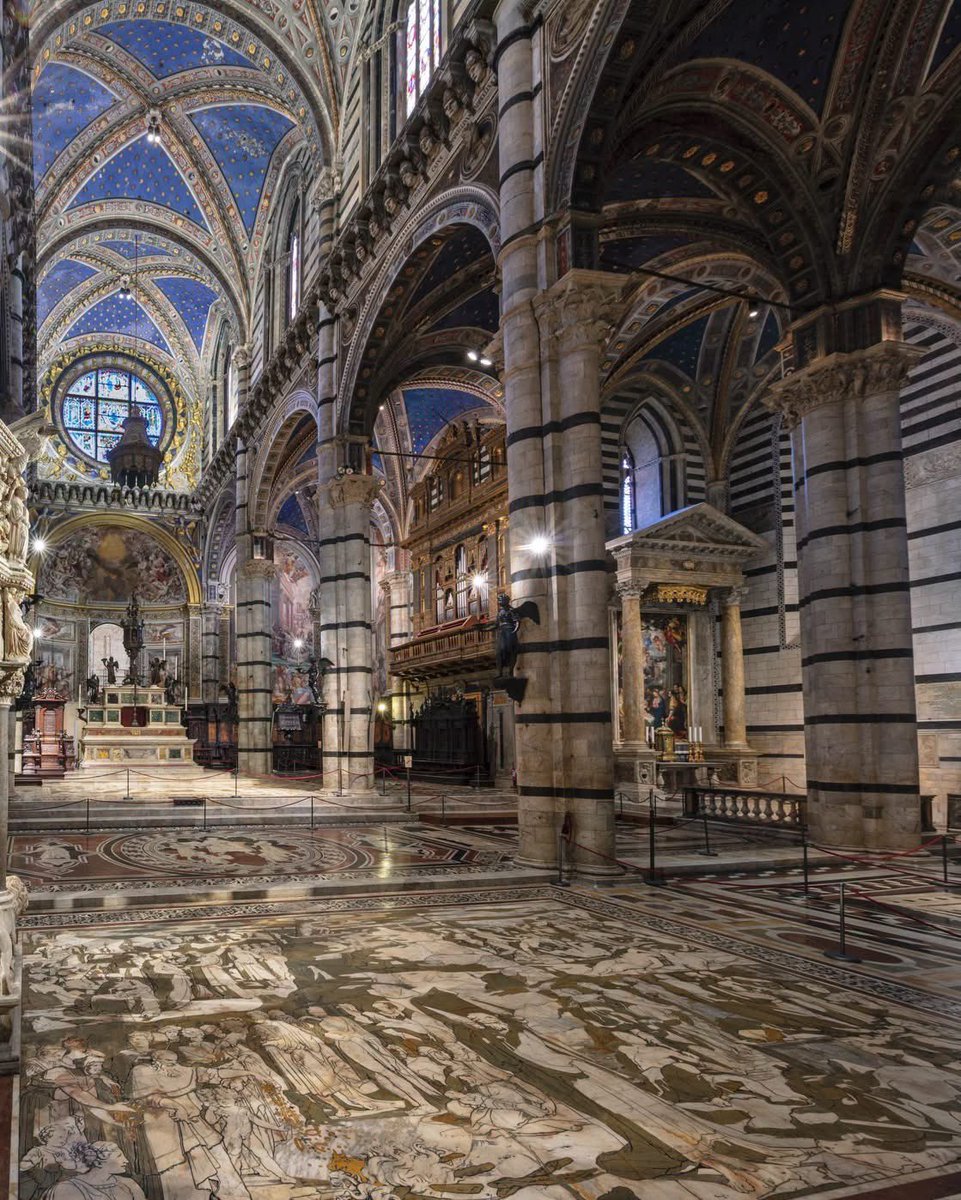
The Tuscan Food Calendar: Dishes Worth Timing Your Trip Around (2026–27)
The Tuscan foods locals wait all year for — olio nuovo, schiacciata all’uva, white truffle, carnival cenci — and the exact seasons to catch each one.
12 min read · Updated 2026-08-15
Where to Eat on a Siena Day Trip: The Restaurants Worth Planning a Town Around
Named, researched picks for the day-trip towns — Pienza, Montalcino, Montepulciano, San Quirico and beyond — with the booking rules that make them work.
11 min read · Updated 2026-09-14
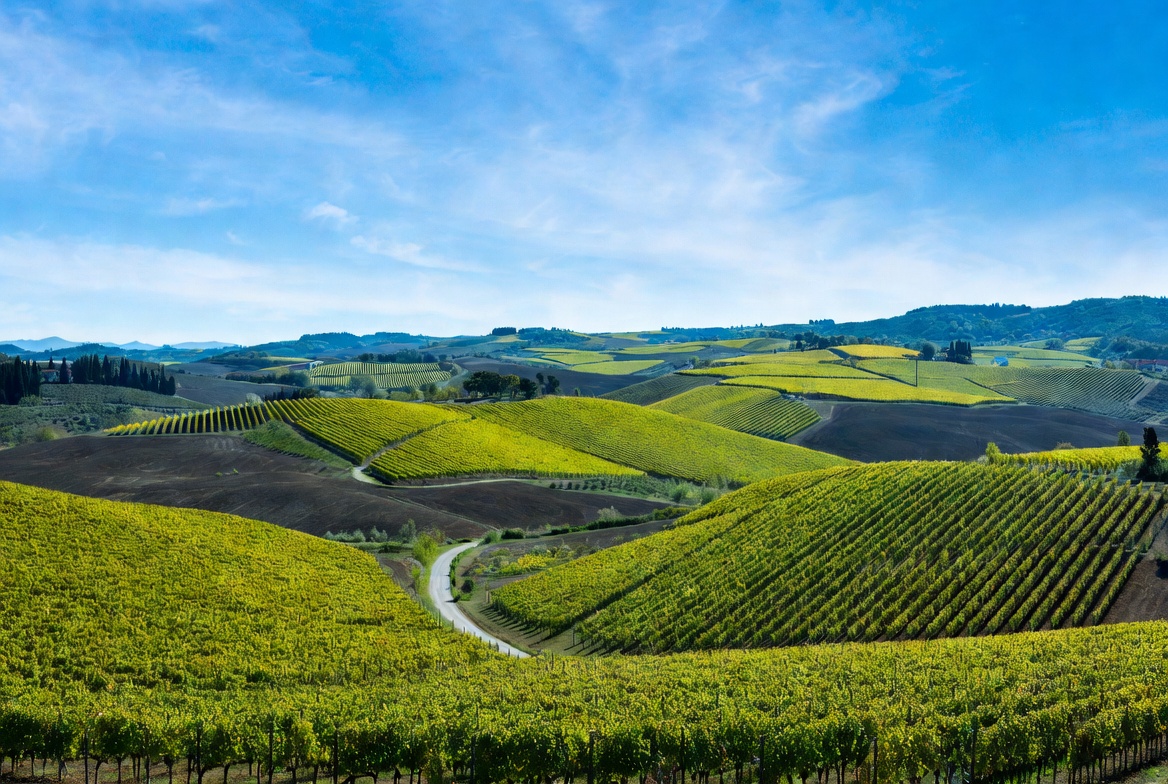
Panzano in Chianti: Is Dario Cecchini Worth It, and the Vino al Vino Weekend
Is Dario Cecchini worth it? The honest answer, plus Panzano’s Vino al Vino wine weekend, the Conca d’Oro and how to reach the village without a car.
17 min read · Updated 2026-08-30