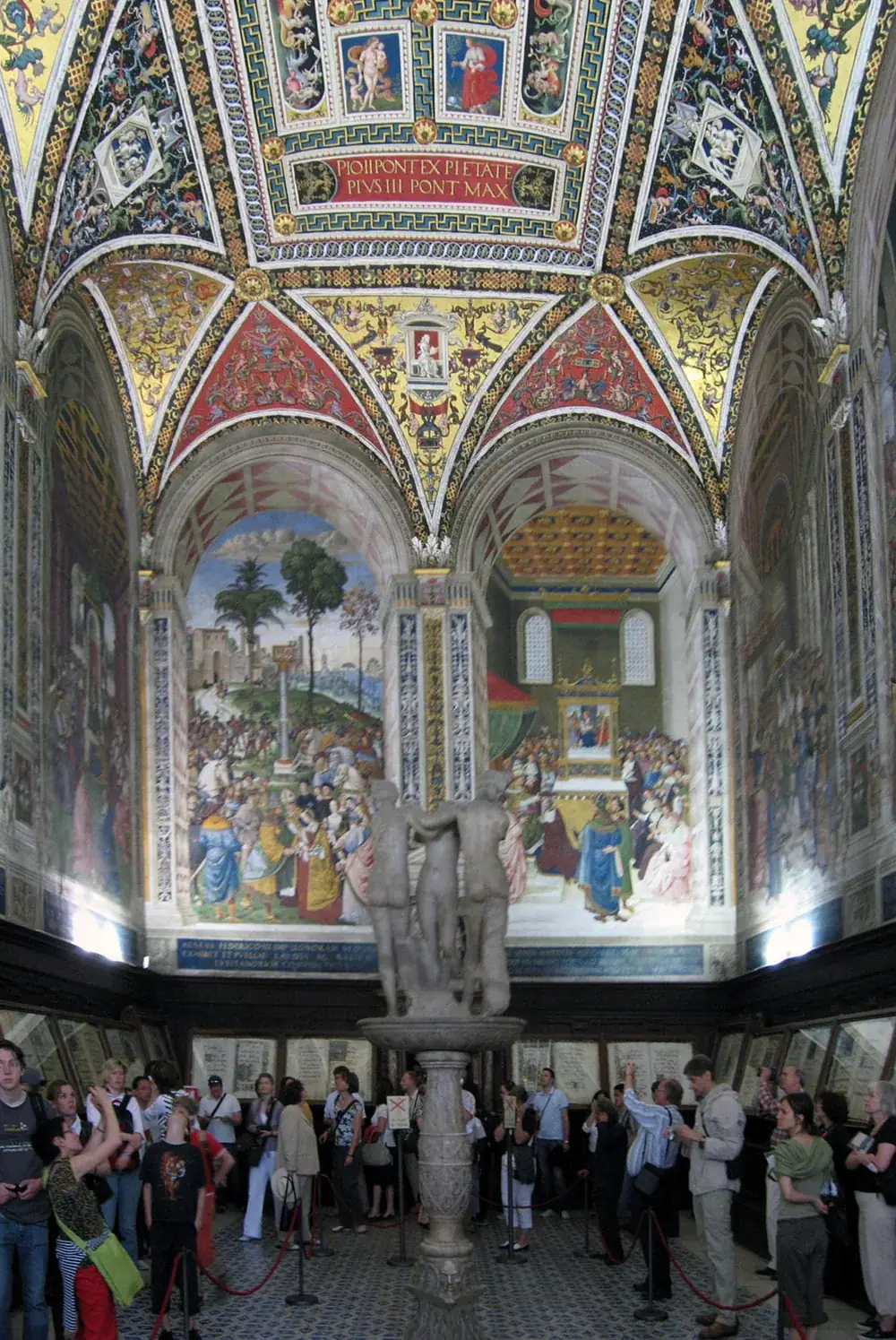
Siena 2-Day Itinerary: A Relaxed Weekend in the City
Follow a realistic Siena 2-day itinerary covering Piazza del Campo, the Duomo, museums, contrade, local food, views, and practical planning tips.
In this guide
Siena 2-day itinerary at a glance
| Day | Morning | Lunch | Afternoon | Evening |
|---|---|---|---|---|
| Day 1 | Piazza del Campo, Museo Civico or Torre del Mangia | Historic centre | Siena Cathedral complex | Aperitivo, dinner, Campo after dark |
| Day 2 | Santa Maria della Scala | Duomo/Fontebranda side | San Domenico, Saint Catherine sites, contrade | Orto de’ Pecci or Fortezza, relaxed dinner |
Official attraction sites remain the primary source for tickets and opening hours.
Before you begin: where to stay and how to arrive
For a two-day city break, staying inside the historic centre or near Porta Camollia usually saves the most time. A central room provides atmosphere; Camollia and Viale Tozzi can make bus arrivals and luggage easier.
Compare neighbourhoods in Where to stay in Siena.
If you are coming from Florence, do not choose transport only by scheduled journey time. The bus usually arrives closer to the historic centre, while the train station is outside and below the old town. Read Florence to Siena by train or bus before booking. If you are flying in, Florence Airport to Siena covers the two-stage route, the real fares, and the ticket rule that catches people out.
Day 1: Siena’s essential landmarks
8:30–9:30: Begin with a quiet walk through the centre
Start before the main sightseeing flow builds. Walk toward Piazza del Campo through Via Banchi di Sopra or another central route, noticing shutters opening, cafés preparing counters, and contrada symbols above doorways.
Have breakfast at a bar rather than committing immediately to a long meal. An Italian-style coffee and pastry keep the morning flexible, particularly if you want a same-day Torre del Mangia ticket.
9:30–10:15: Experience Piazza del Campo
Walk the full curve of Piazza del Campo rather than standing at one viewpoint. Look toward Palazzo Pubblico and Torre del Mangia, then cross the slope to see how the surrounding façades frame the square.
The Campo is free to enter. It is also worth revisiting later because the atmosphere changes with the light and the number of visitors.
If you want to climb Torre del Mangia, check same-day availability now. Official July 2026 information says tower tickets cannot be reserved in advance, ascents are limited, and tickets may sell out.
10:15–11:45: Choose the Museo Civico or Torre del Mangia
Trying to do both quickly can make the morning feel mechanical. Choose according to your interests and physical comfort.
Choose the Museo Civico when:
- you want major Sienese frescoes and civic history;
- stairs or heights are a concern;
- weather makes the tower unsuitable;
- you prefer a slower indoor visit.
Choose Torre del Mangia when:
- panoramic views are a priority;
- you are comfortable with roughly 400 steps;
- you do not have relevant mobility or health concerns;
- a same-day place is available.
The official full-price tower ticket is listed at €10, while the Museo Civico and tower combination is €15. Because the tower cannot be prebooked, do not buy a third-party product that promises guaranteed skip-the-line tower access without carefully checking what it actually includes.
12:00–13:30: Lunch away from the fastest tourist flow
Move into the streets between the Campo and Duomo or toward Piazza del Mercato. Look for a focused menu rather than a long list of generic Italian dishes.
Good Sienese choices may include pici all’aglione, pici with breadcrumbs, ribollita, crostini neri, wild-boar ragù, Cinta Senese products, and local pecorino. Order only as much as suits the afternoon: the cathedral complex deserves attention, and a very heavy lunch can make the next few hours difficult.
13:45–16:45: Explore the Siena Cathedral complex
Allow at least two to three hours. Start with the cathedral and Piccolomini Library, then add Museo dell’Opera and the Facciatone viewpoint. Visit the Crypt and Baptistery if time and energy remain.
The OPA SI Pass is valid for three consecutive days, which works especially well for a two-day itinerary. As re-checked on 16 August 2026, the pass is €13 during normal periods and €15 during the marble-floor uncovering periods from June 27 to July 31 and August 18 to November 15.
Do not assume the cathedral opens at the same time every day. Sunday, public-holiday, religious-service, and seasonal schedules differ. Check the official Opera Duomo page before setting your exact route.
17:00–18:30: Let the itinerary loosen
After a monument-heavy afternoon, avoid forcing another museum. Walk along Via di Città, browse local shops, return to a contrada street, or sit with a coffee or gelato.
This unstructured time is important. Siena is compact but visually dense, and the city feels more memorable when every minute is not assigned to an admission ticket.
18:30 onward: Aperitivo, dinner, and the Campo after dark
Choose an aperitivo near the centre, then have dinner on a quieter side street or pay for a Campo terrace when the view matters more than value.
Return to Piazza del Campo after dinner. The square is not empty, but the atmosphere is different from midday: voices echo across the brick surface, the façades are lit, and the city feels lived-in rather than visited.
Day 2: Museums, contrade, and a slower Siena
9:00–11:00: Visit Santa Maria della Scala
Begin opposite the Duomo at Santa Maria della Scala. This former hospital complex contains frescoed rooms, historical collections, archaeological material, and changing exhibitions.
The building is larger than it appears. A two-hour window allows a focused visit without trying to cover every level.
From March 15 to October 31, the official 2026 schedule lists daily opening from 10:00 to 19:00, so shift the morning later when necessary. Outside the main season, Tuesday closures and shorter weekday hours may apply. The full-price ticket is listed at €9, or €8 with reservation.
Families and visitors with mobility concerns may find this one of Siena’s more manageable major museums. The official site lists elevators, accessible restrooms, seating, wheelchairs on request, and a multilingual app.
11:15–12:30: Walk to San Domenico and Saint Catherine’s Siena
From the Duomo area, head toward Basilica di San Domenico. The route gives changing views of the cathedral and takes you into the Fontebranda side of the city.
The basilica’s brick architecture is markedly different from the Duomo. Nearby, the Sanctuary of Saint Catherine develops around the area associated with her family home.
These are active religious sites. Enter respectfully, avoid sightseeing during services, and check current hours if the visit is a priority.
12:30–13:15: Descend toward Fontebranda
Walk toward Fontebranda, one of Siena’s historic fountains. This route reveals how sharply the city rises and falls, which helps explain its dramatic streets and views.
The descent is easier than the return. Travellers with limited mobility can skip the lowest section and enjoy the views from higher streets instead.
13:15–14:45: Take a long lunch
Day two is the right time for a slower meal. You no longer need to protect a major afternoon ticket slot, so explore a local osteria, wine bar, or trattoria away from the Campo.
Finish with ricciarelli or panforte when available, or save the sweets for a bakery stop later.
15:00–16:30: Follow a contrada walk
Siena has 17 contrade, each with an emblem, colours, fountain, traditions, and community identity. The point is not to “collect” all 17. Choose a gentle route through two or three areas and notice the details.
Look for plaques, animal symbols, flags, small fountains, and oratories. Treat residential areas respectfully, especially during Palio periods and community events.
A private or small-group walking tour can help visitors understand Siena’s civic history and contrada system, but verify group size, duration, language, and included admissions before booking.
16:30–18:00: Choose Orto de’ Pecci or the Fortezza Medicea
Do not rush between both. Choose the one that fits your location and energy.
Orto de’ Pecci offers green space below Piazza del Mercato and a distinctive view back toward the medieval centre. It is good for families and travellers who need a break from museums. Remember that the return is uphill.
Fortezza Medicea provides broad paths and open space closer to La Lizza and Porta Camollia. It works well when your accommodation or onward transport is on the northern side of town.
Evening: Repeat what you loved
Use the final evening for a place you want to see again rather than another new attraction. Return to the Campo, walk past the Duomo façade after closing, or book a table for the meal you did not have time for on day one.
A successful second day should feel less like completion and more like belonging. You already understand the main routes, so the city becomes easier to enjoy without a map.
Optional changes for different travellers
For art lovers
Add the Pinacoteca Nazionale on day two and reduce the contrada walk. Check current opening hours before planning around it.
For families
Shorten indoor visits, move Orto de’ Pecci earlier, and keep the tower optional. See Siena with kids for stroller, heat, food, and age-based advice.
For limited mobility
Prioritize the accessible route through Museo Civico and Santa Maria della Scala, use taxis for steep transfers where practical, and verify each property and attraction directly. Siena’s cobbles and slopes remain challenging even when an individual building is accessible.
During the Palio
The races are held on July 2 and August 16, with ceremonies and preparations around them. Standard routes, hours, transport, and crowd patterns can change. Do not apply this itinerary unchanged; use official Palio and attraction notices.
In rain
Move Santa Maria della Scala to day one, extend the Museo Civico and cathedral museums, and save viewpoints for the clearest window.
In summer heat
Start earlier, reduce uphill walking in the middle of the day, carry water, and use the long lunch as a real rest. The Campo and cathedral piazza can feel exposed in strong sun.
What to book in advance
- Accommodation: Central rooms and family rooms can become limited during weekends and events.
- Duomo complex: Advance booking is helpful in peak periods and during the floor uncovering.
- Guided tours: Book when a specific language, small group, food theme, or private format matters.
- Restaurants: Reserve special dinners, particularly on weekends.
- Transport: Compare options early, but confirm final schedules through the official operator.
Torre del Mangia is the important exception: official information says tower tickets cannot be reserved in advance and are sold on the day.
Estimated budget for two days
A two-day Siena trip varies most by accommodation. Museum choices, restaurant style, transport origin, and whether you book a guided tour also matter.
Use How much does a trip to Siena cost? for current planning bands and a detailed budget worksheet.
Final thoughts
Two days give Siena room to change around you. Day one delivers the landmarks you came to see; day two reveals why the city is more than a collection of landmarks.
By the second evening, the steep lanes feel familiar, the contrada emblems begin to make sense, and Piazza del Campo is no longer just a famous square on an itinerary. It becomes the place you naturally return to before dinner. That slower familiarity is the strongest reason to stay—and often the reason travellers begin planning a longer Tuscany trip before they have even left.
Helpful summary
The short version
Follow a realistic Siena 2-day itinerary covering Piazza del Campo, the Duomo, museums, contrade, local food, views, and practical planning tips.
Frequently asked
FAQ
Keep reading
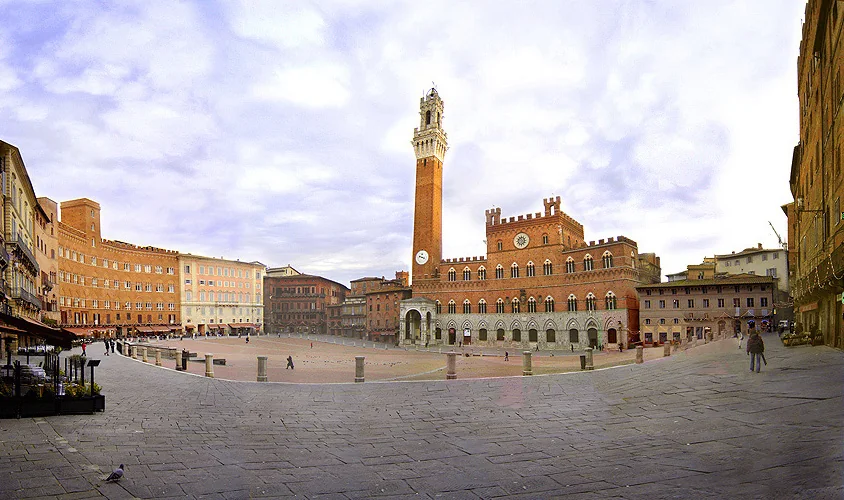
Romantic Weekend in Siena: 2-Night Couples Itinerary
Plan a romantic weekend in Siena with a two-night couples itinerary covering sunset views, the Duomo, Piazza del Campo, local food and a slow Sunday.
9 min read · Updated 2026-07-12
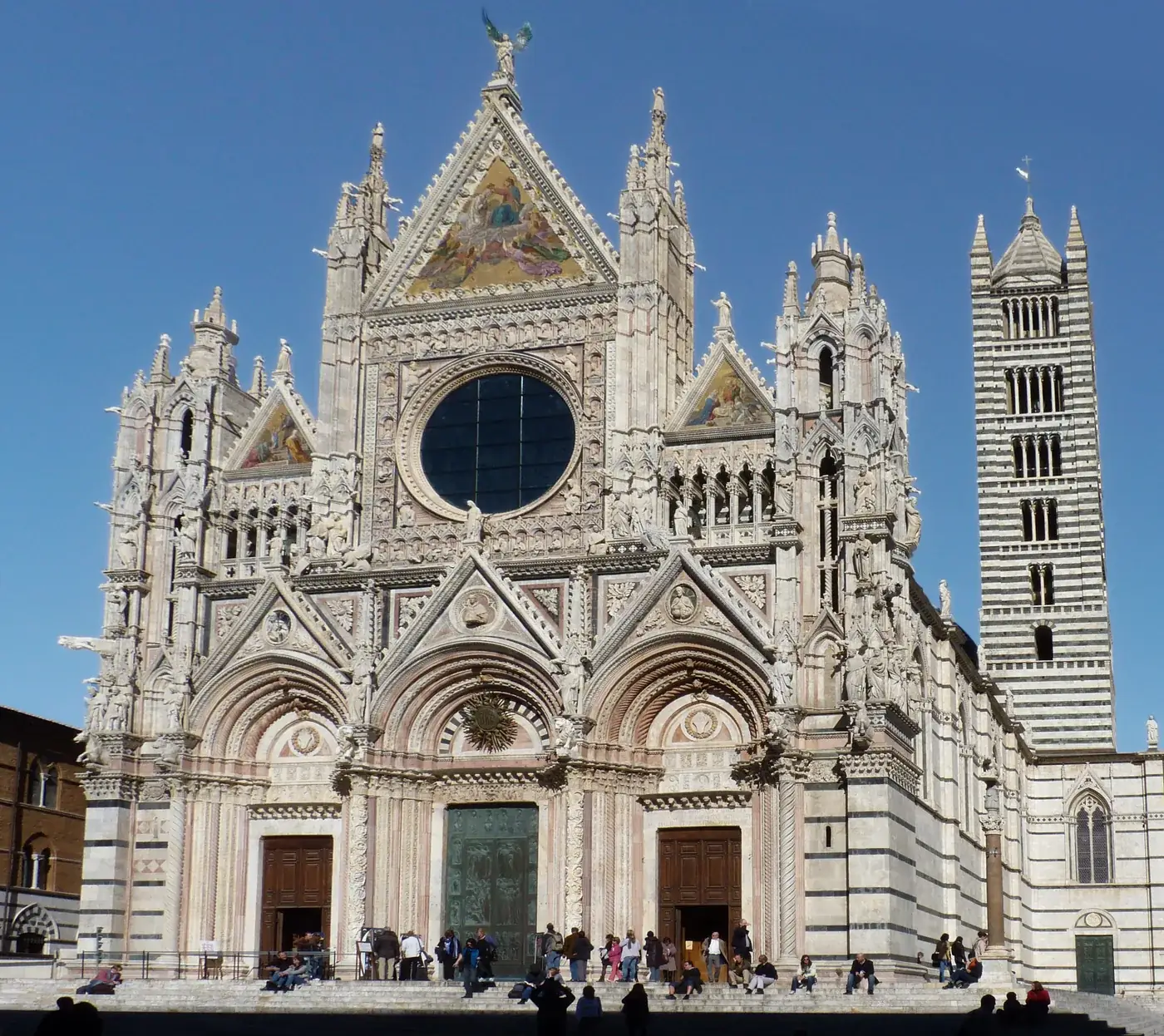
Siena 3-Day Itinerary: City Highlights and a Tuscany Day Trip
Three days in Siena at a Tuscan pace: two unhurried city days, one countryside day, and the trade-offs behind each choice.
10 min read · Updated 2026-07-11
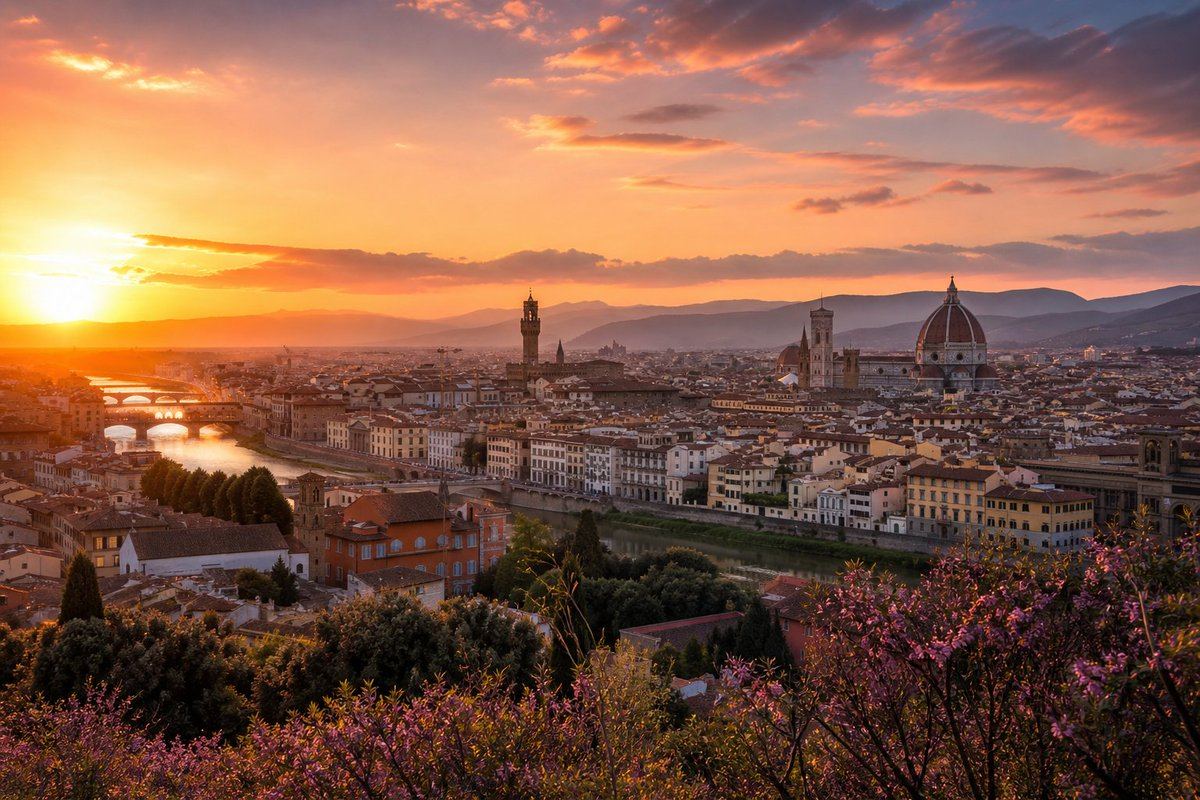
7-Day Tuscany Itinerary for Independent Travellers 2026: Florence Base + Self-Drive (Siena, Chianti, Val d’Orcia)
Seven days in Tuscany from one Florence base: Siena by train, Chianti by car, Val d’Orcia in a day â and not one hotel change.
7 min read · Updated 2026-07-17