Tuscany Packing List: What to Wear and Bring in Every Season
What to pack for Tuscany season by season: the shoes the cobbles demand, the church cover-up rule, and what to leave at home.
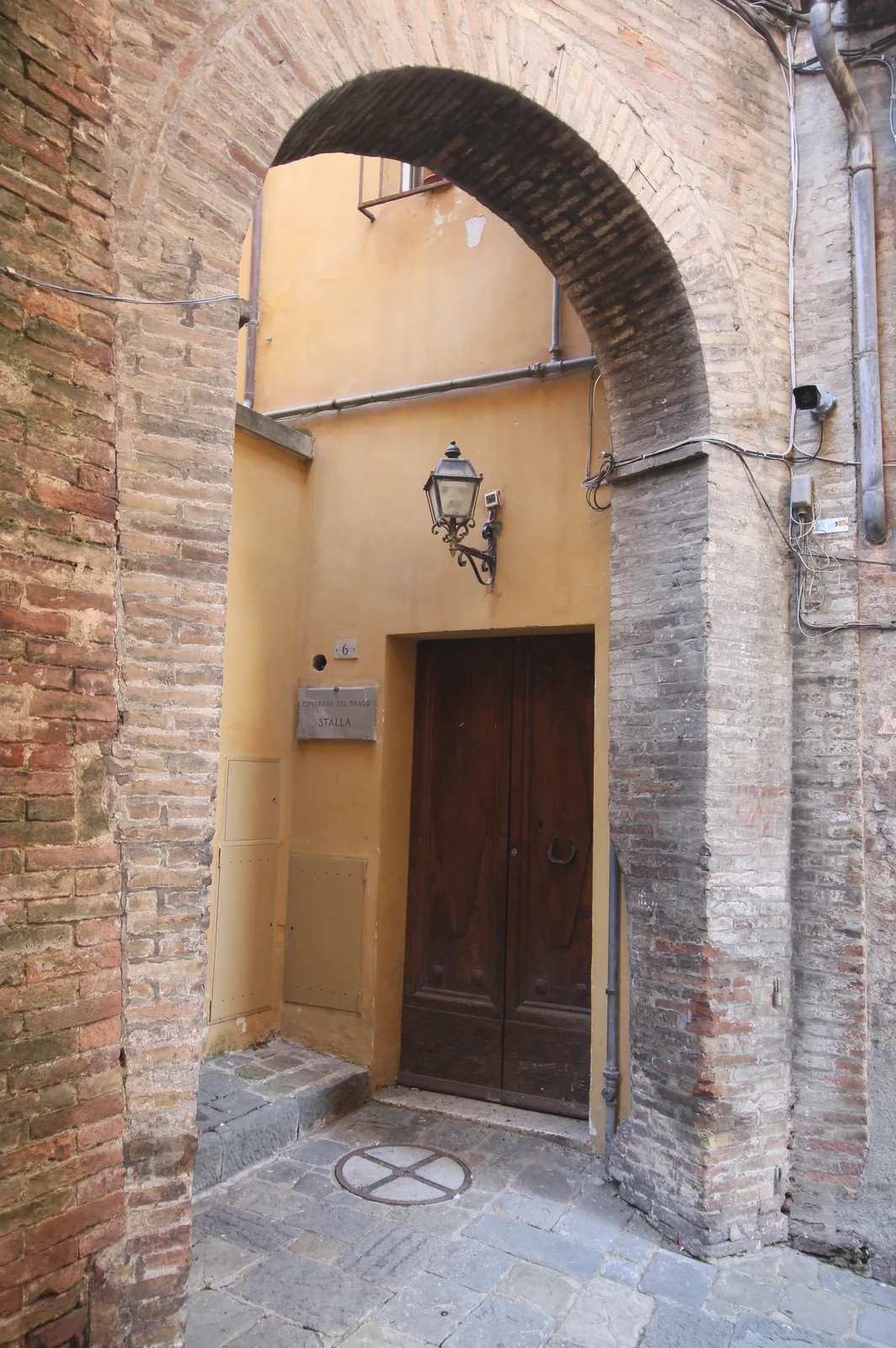
Photo: LigaDue, CC BY-SA 4.0. Resized and converted to WebP.
In this guide
- Introduction
- Master Tuscany packing checklist
- Start with documents and backups
- Choose shoes for stone, slopes, and distance
- Build a small, flexible wardrobe
- What to wear in churches
- Spring packing list: March to May
- Summer packing list: June to August
- Autumn packing list: September to November
- Winter packing list: December to February
- Packing for Florence and Siena
- Packing for hill towns and countryside stays
- Packing for a rental-car trip
- Technology and electrical adapters
- Money and payment
- Toiletries and medicine
- Family packing for Tuscany
- Couples and special occasions
- What not to pack
- Carry-on-only strategy
- Printable final checklist
- Final advice
- FAQ
Introduction
A useful Tuscany packing list prepares you for cobblestones, churches, changing weather, long lunches, rural roads, and accommodation that may not have an elevator. The goal is not to dress for a staged Italian photo shoot. It is to stay comfortable enough to enjoy Florence, Siena, hill towns, wineries, and countryside walks without carrying a suitcase you regret.
Quick answer: Pack supportive walking shoes, breathable layers, one rain layer, sun protection, church-appropriate coverage, a compact day bag, a reusable water bottle, and only the electronics you will actually use. Add a warmer mid-layer in spring and autumn, serious heat protection in summer, and a waterproof outer layer in winter.
Master Tuscany packing checklist
| Category | Essential items | Useful extras |
|---|---|---|
| Documents | Passport, travel confirmations, driving documents if needed | Printed backup and digital copies |
| Money | Payment card, second backup card, small euro cash | Separate emergency cash |
| Clothing | Mix-and-match tops, comfortable bottoms, light layers | One smarter casual outfit |
| Shoes | Broken-in walking shoes with grip | Sandals or second lightweight pair |
| Weather | Compact umbrella or rain shell, sunglasses | Packable hat |
| Churches | Shoulder coverage and modest lower-body coverage | Lightweight scarf |
| Health | Prescription medicine, small first-aid kit | Blister care and rehydration salts |
| Technology | Phone, charger, European plug adapter | Power bank and short charging cable |
| Day trips | Refillable bottle, small bag, tissues | Foldable tote and snacks |
| Driving | License, rental documents, offline maps | Phone mount if permitted and supplied safely |
Start with documents and backups
Carry the passport and documents required for your trip, then store a digital copy separately. Keep transport confirmations, accommodation details, and emergency contacts available offline in case mobile service is poor.
Drivers should confirm the exact licence and international driving permit requirements that apply to their nationality and rental contract. Do not rely on advice written for a different country of residence.
Save the addresses of your accommodation and parking facility in Italian. Historic-centre properties may have a different pedestrian entrance, vehicle-access point, or check-in location.
Choose shoes for stone, slopes, and distance
Footwear is the most important clothing decision in Tuscany. Florence and Siena involve hard paving, uneven stones, stairs, and long distances. Siena adds steep slopes that make a short route feel more demanding.
Bring shoes you have already worn for several hours. A rigid new shoe, smooth sole, or unstable fashion sandal can turn a full sightseeing day into blister management.
A second lightweight pair is helpful when the first pair becomes wet. High heels are rarely practical on historic paving, even for an evening meal.
Build a small, flexible wardrobe
Choose pieces that work together rather than separate outfits for every day. A useful core includes:
- Three to five tops, depending on laundry access.
- Two comfortable bottoms.
- One light mid-layer.
- One weather layer.
- Sleepwear and underwear.
- One smarter casual outfit.
- One church-appropriate option.
- Swimwear when the property, coast, or spa requires it.
Neutral or coordinated colours reduce the number of items needed, but comfort matters more than a specific travel aesthetic.
What to wear in churches
Tuscany’s cathedrals and churches remain religious spaces. Rules vary, and enforcement can differ by site and occasion. A practical approach is to keep shoulders covered and avoid very short shorts or skirts.
A lightweight scarf or overshirt solves many summer situations, but it should cover rather than merely decorate. Remove hats when appropriate, keep noise low, and follow on-site instructions.
The Siena Cathedral complex can be a long visit, so choose respectful clothing that is also comfortable for stairs and indoor temperature changes.
Spring packing list: March to May
Spring weather can move between cool rain and warm sunshine. Pack:
- Light waterproof jacket.
- Compact umbrella.
- Long-sleeve layer.
- Light sweater or fleece.
- Comfortable trousers.
- Walking shoes with grip.
- Sunglasses and light sun protection.
- One warmer evening layer.
March and early April need more warmth than late May. Do not pack only for the afternoon forecast; early departures and hill-town evenings can feel significantly cooler.
For timing advice, see the best time to visit Tuscany.
Summer packing list: June to August
Summer requires heat management. Pack:
- Breathable tops.
- Lightweight trousers, skirts, or shorts.
- Sun hat.
- High-protection sunscreen.
- Sunglasses.
- Refillable water bottle.
- Anti-chafing product if useful.
- Light church-coverage layer.
- Swimwear.
- Sandals plus supportive walking shoes.
- Thin evening layer for air-conditioned interiors or breezy rural stays.
Do not assume every old building has powerful air conditioning. Check the accommodation listing carefully and read recent reviews for cooling, noise, stairs, and window screens.
A small folding fan can be useful, but the most effective summer strategy is behavioral: start early, pause in the middle of the day, and avoid scheduling several exposed attractions back to back.
Autumn packing list: September to November
Early September can still feel like summer, while November can be cool and wet. Pack:
- Layered tops.
- Light-to-medium sweater.
- Waterproof outer layer.
- Trousers suitable for walking.
- Shoes with wet-weather grip.
- Compact umbrella.
- Scarf.
- Sun protection for early autumn.
- Warmer evening layer for late autumn.
Countryside roads, vineyards, and unpaved parking areas can become muddy. White fashion shoes are possible, but they may require more maintenance than the trip deserves.
Winter packing list: December to February
Winter in Tuscany is not Arctic, but damp cold and stone interiors can feel sharper than the temperature suggests. Pack:
- Warm coat or insulated layer.
- Sweater or fleece.
- Thermal base layer if you feel cold easily.
- Waterproof shoes.
- Warm socks.
- Compact umbrella.
- Scarf and gloves.
- Indoor-friendly layers for museums and restaurants.
Rural accommodation should be checked for heating arrangements and seasonal opening. A picturesque old property can be comfortable, but do not assume every room warms quickly.
Packing for Florence and Siena
For city days, prioritise a compact day bag, secure storage for valuables, water, and blister prevention. Large backpacks can be awkward in crowded museums and churches, and some attractions apply bag restrictions.
Siena’s slopes make weight more noticeable. Leave unnecessary items at the hotel and use luggage storage when arrival or departure times do not align with check-in.
Read where to stay in Siena before choosing a property solely because it appears central on a map.
Packing for hill towns and countryside stays
Countryside travel adds different needs:
- Offline maps.
- A small flashlight for rural paths or parking.
- Insect repellent in warm months.
- A layer for cooler evenings.
- Practical shoes for gravel and uneven ground.
- Snacks and water for long drives.
- Motion-sickness preparation if winding roads affect you.
Do not leave passports, electronics, or visible luggage in a parked car. Check accommodation instructions for the final approach, especially after dark.
Packing for a rental-car trip
Confirm that the rental includes required safety equipment. Bring only a phone mount if it is safe, legal, and compatible; never improvise a mount that blocks visibility.
Download offline maps, but follow road signs and official restrictions rather than blindly obeying navigation. Tuscany’s historic centres frequently have restricted traffic zones, including Siena’s ZTL.
Use our Siena parking and transfer guide before driving into the city.
Technology and electrical adapters
Italy uses European plug types and 230-volt electricity. Most modern phone and laptop chargers accept a wide voltage range, but check the label on each device.
Bring one reliable adapter rather than several cheap loose adapters. A compact multi-port charger can reduce cable clutter. Do not bring a voltage-only plug adapter for a device that cannot accept European voltage.
A power bank is useful for navigation-heavy day trips. Keep it within airline rules and carry it in hand luggage when required.
Money and payment
Cards are widely useful, but small cash amounts help with minor purchases, local markets, or situations where a terminal is unavailable. Carry a backup card separately from the main wallet.
Choose card billing in euros when a terminal offers an unfavorable home-currency conversion. Confirm fees with your own bank before departure.
Toiletries and medicine
Bring enough prescription medicine for the full trip, plus documentation when required. A small travel kit might include:
- Pain relief normally suitable for you.
- Blister plasters.
- Basic wound care.
- Motion-sickness medicine if relevant.
- Allergy medicine.
- Rehydration salts in summer.
- Any personal medical essentials.
This is general packing guidance, not medical advice. Ask a qualified professional about medications and health risks specific to you.
Family packing for Tuscany
Families should add only items that solve a real daily problem:
- Compact stroller suitable for uneven paving, or a carrier.
- Sun hat and sunscreen for each child.
- Refillable bottles.
- Familiar snacks.
- Change of clothes.
- Small activity for restaurants or queues.
- Child medication and documentation.
- Lightweight rain cover.
A large stroller can become difficult on Siena’s slopes and stairs. The practical route in Siena with kids in one day explains when a carrier or compact stroller is more useful.
Couples and special occasions
If you have a special dinner planned, pack one outfit for it without sacrificing practical footwear. A compact garment-steaming solution may be useful, but check airline and voltage rules before bringing an appliance.
Avoid filling the suitcase with “just in case” outfits. The atmosphere comes from the setting, not from changing clothes three times a day.
See our Siena weekend itinerary for couples.
What not to pack
Leave behind:
- Unworn shoes.
- Heavy guidebooks available digitally.
- Multiple formal outfits.
- Full-size toiletries available locally.
- Excessive cash.
- Valuables you do not need.
- An oversized suitcase for a multi-level historic property.
- A different outfit for every photograph.
Packing lighter makes train changes, bus boarding, cobbled streets, and apartment stairs significantly easier.
Carry-on-only strategy
A carry-on trip is realistic when you use a coordinated wardrobe and book laundry access. Wear the heaviest shoes and layer during transit. Transfer liquids into compliant containers and keep essential medicine in hand luggage.
Apartments can offer washing machines, but check whether detergent, drying space, and instructions are provided. Hotels may offer laundry service at a higher cost.
Printable final checklist
Before closing the suitcase, confirm:
- Passport and required documents.
- Payment card plus backup.
- Accommodation and transport details.
- Prescription medicine.
- Phone, charger, adapter, and power bank.
- Broken-in walking shoes.
- Layer for weather changes.
- Church-appropriate coverage.
- Sun and rain protection.
- Refillable bottle.
- Compact day bag.
- Driving documents when applicable.
- Child-specific essentials when applicable.
Final advice
The best Tuscany packing list is the one that keeps you walking comfortably and leaves space for what you discover. A lighter bag makes a station change easier, a hill-town staircase less frustrating, and an unplanned overnight stop more possible.
Pack for the real trip: warm stone underfoot, a sudden spring shower, a cathedral interior, a long summer evening, and the freedom to follow the road a little farther than expected.
*Editorial fact-check: July 12, 2026. Airline, entry, driving, electrical, and attraction requirements can change. Verify rules that apply to your nationality and itinerary.*
Helpful summary
The short version
What to pack for Tuscany season by season: the shoes the cobbles demand, the church cover-up rule, and what to leave at home.
Frequently asked
FAQ
Keep reading
What to Wear in Tuscany in September: The Two-Season Month, Solved
What to wear in Tuscany in September — the month that starts in summer and ends in autumn. The layering system, by activity and by half-month.
12 min read · Updated 2026-08-29
Summer Packing List for Tuscany & Florence 2026: Travel Light & Stay Cool
A summer packing list for Tuscany and Florence 2026: breathable linen, supportive shoes for cobblestones and heat-beating essentials.
4 min read · Updated 2026-07-17
White Truffle Season in Tuscany 2026: Two Fairs, One Legal Window, and the Right Way to Eat It
Tuscany’s 2026 white truffle season: the 1 Oct–15 Jan legal window, San Miniato’s three November weekends, San Giovanni d’Asso’s fair, prices and hunts.
14 min read · Updated 2026-09-16