Best Time to Visit Tuscany: Weather, Crowds and Seasons
Find the best time to visit Tuscany for weather, lower crowds, wine harvests, beaches, city breaks and road trips, with a practical month-by-month guide.
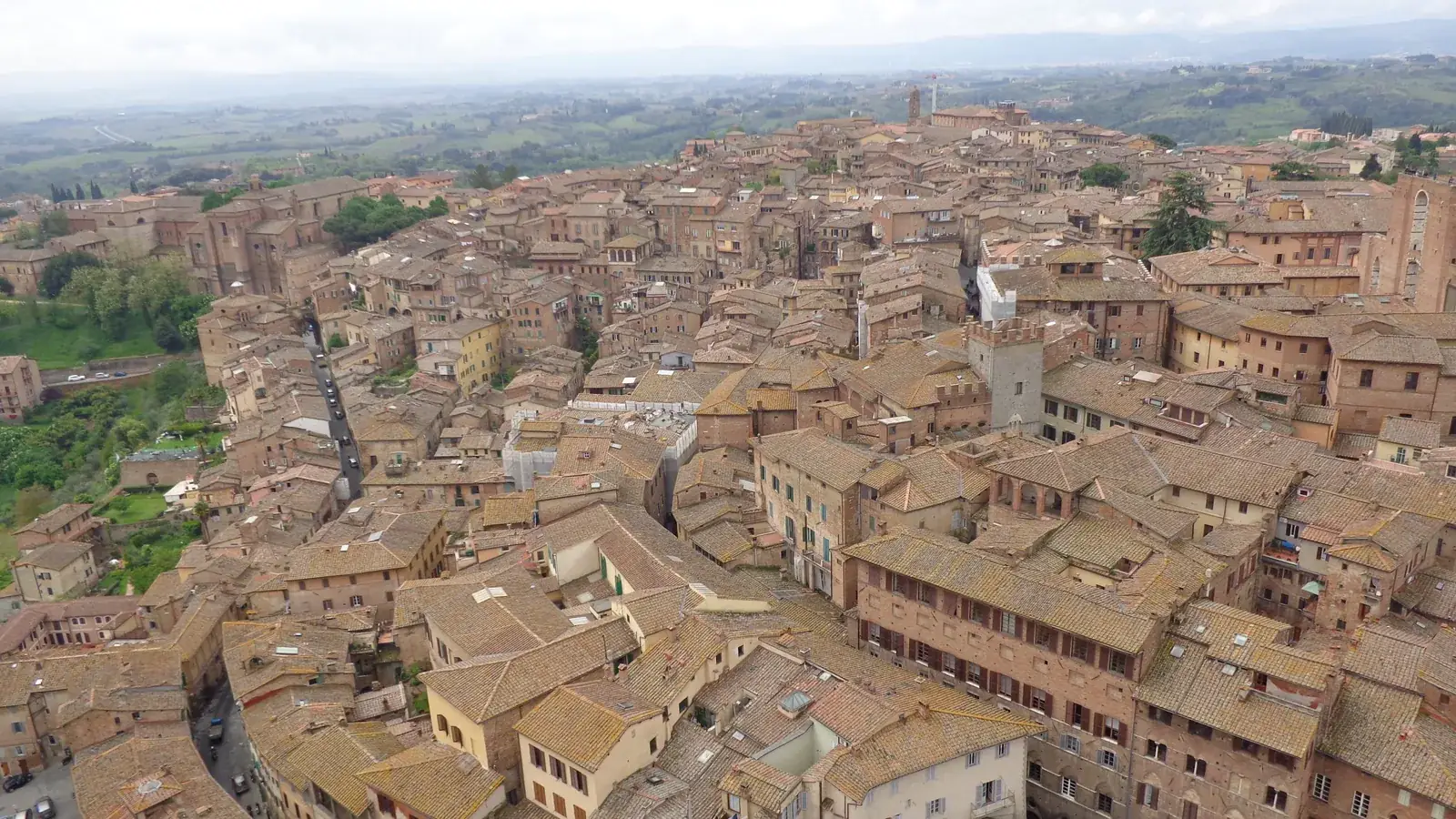
Photo: Superchilum, CC BY-SA 4.0. Cropped to 16:9, resized, and converted to WebP.
In this guide
Introduction
The best time to visit Tuscany depends on the trip you want. May, June, late September, and early October usually give first-time visitors the most useful balance of comfortable sightseeing weather, long enough days, open attractions, and manageable crowds. July and August suit festivals, pool time, and the coast, while winter rewards travellers who prefer museums, food, and quieter historic towns.
Tuscany is not one uniform destination. Florence can feel intensely busy while a rural village is calm; the coast may be breezy while Siena is hot; the Apennines can be cold when the lowlands are mild. A good decision therefore starts with your priorities, not a single “perfect” month.
Quick answer: Choose May or late September for an all-round first trip, June for long days and countryside stays, October for food and harvest atmosphere, July or August for festivals and swimming — including the Puccini Festival on the lake at Torre del Lago — and November through February for low-crowd city breaks. Always check event dates, accommodation closures, and transport schedules before booking — and if you are travelling without a car, the complete Siena-based bus and rail system is mapped here.
Tuscany seasons at a glance
| Period | Weather feel | Crowd level | Best for | Main trade-off |
|---|---|---|---|---|
| March–April | Changeable, increasingly mild | Low to moderate | Cities, spring landscapes, value | Rain and cool evenings |
| May–June | Warm, green, long days | Moderate to high | First trips, road trips, walking | Popular dates book early |
| July–August | Hot, bright, busiest | High | Pools, coast, festivals, Palio | Heat, prices, crowds |
| September–October | Warm to mild, harvest season | Moderate to high | Food, wine, countryside | Shorter days and variable rain |
| November–February | Cool, quiet, short days | Low | Museums, food, local atmosphere | Reduced hours and rural closures |
The best time for different travellers
Best overall: May and late September
May brings green countryside, spring flowers, and generally comfortable sightseeing conditions. Late September retains warmth but starts to feel more relaxed after the peak summer rush. Both periods work well for combining Florence, Siena, hill towns, and a rural stay.
These are not secret low-season months. Popular hotels, agriturismi, wineries, and guided tours can still fill, especially around weekends and public holidays. Book the parts of your trip that matter most rather than assuming shoulder season means unlimited availability.
Best for lower crowds: November through March
Winter is useful for travellers who prioritise churches, museums, restaurants, and historic streets over long countryside drives. Florence, Siena, Lucca, Pisa, and Arezzo remain rewarding, while queues are often shorter outside holiday periods.
The trade-off is shorter daylight, cooler weather, and reduced schedules. Some rural hotels, wineries, beach businesses, and seasonal restaurants close temporarily. Build the trip around cities or confirm each countryside booking before relying on it.
Best for countryside scenery: April through June
Spring gradually turns the hills green and fills the landscape with flowers. The official Tuscany tourism site highlights spring and autumn as particularly good periods for hiking.
April is less predictable than travel photography suggests: expect changing temperatures, showers, and cool mornings. By late May and June, outdoor plans become easier, although midday heat can already be noticeable.
Best for food and wine: September through November
Autumn is associated with grape harvests, olives, mushrooms, chestnuts, and truffles across different parts of Tuscany. The exact timing depends on weather, elevation, producer, and local tradition, so do not assume every harvest activity is open to visitors.
Wine tastings operate year-round, but autumn adds energy to the countryside. Reserve serious tastings and restaurant meals in advance, especially in Chianti, Montalcino, Montepulciano, and popular Val d’Orcia towns.
Read the Tuscany food guide before planning your regional stops. Our wine harvest and olive harvest guides cover joining each season, and the Tuscan food calendar maps the dishes worth timing a trip around.
Best for festivals: June through August
Summer brings open-air performances, local festivals, long evenings, and the Palio di Siena. The two annual Palio races are traditionally held on July 2 and August 16, with preparations and neighbourhood events before race day.
A festival trip requires more planning than a normal city break. Accommodation may be expensive, traffic controls can change, and attraction schedules may be adjusted. Treat the event as the centre of the itinerary rather than squeezing it into a standard sightseeing day.
Best for beaches and pools: late June through early September
The Tuscan coast and islands are at their liveliest in summer. A pool becomes valuable at a countryside property when daytime temperatures rise, particularly for families or travellers spending several nights outside the cities.
August is also a major Italian holiday period. Coastal destinations can be very busy, while some city businesses may close around Ferragosto. Verify restaurant and transport plans instead of assuming all services operate normally.
Tuscany month by month
Tuscany in January
January is quiet, cool, and well suited to museums, churches, food, and unhurried city walks. Rural landscapes can look stark rather than postcard-green, but the absence of summer crowds reveals a more everyday side of Tuscany.
Base yourself in a city with year-round services. Bring a warm layer, rain protection, and shoes that handle wet stone. Our dedicated Tuscany in January guide covers the winter sales, the thermal springs, and the low-season playbook in depth.
Tuscany in February
February remains low season, with Carnival events bringing colour to parts of the region. Viareggio is the best-known Carnival destination, but dates vary each year.
This month can work for a short city break or food-focused weekend. Do not expect every agriturismo or countryside experience to be operating. For the Viareggio parade calendar, the Carnival sweets and the month’s full case, see Tuscany in February.
Tuscany in March
March is transitional. Sunny afternoons can feel like spring, but cold rain and sharp evenings remain possible. It is a good month for travellers who value lower prices and do not mind flexible plans.
Pack layers rather than one heavy outfit. Keep at least one indoor option for each day. In 2027 Easter falls on 28 March, pulling Holy Week and Florence’s Scoppio del Carro into the month — Tuscany in March covers the early-Easter year in depth.
Tuscany in April
April offers blossoms, fresh landscapes, Easter traditions, and increasingly active tourism. It is also one of the months most likely to punish overconfident packing: warm sunshine can turn into rain or a cool evening quickly.
Easter dates shift annually and can affect crowds, opening hours, transport, and accommodation. Check the calendar before choosing a “quiet” April weekend.
Tuscany in May
May is one of the strongest all-round choices. Days are longer, the countryside is green, and walking is generally more comfortable than in midsummer.
Demand is also strong. Reserve desirable hotels, farm stays, rental cars, winery visits, and major museum tickets before arrival.
Tuscany in June
June offers long daylight, warm evenings, and reliable conditions for road trips, terraces, outdoor dining, and pool stays. It is a particularly good month for couples and travellers combining cities with the countryside.
Heat can build late in the month. Schedule major outdoor sights in the morning and allow a slower midday rhythm.
Tuscany in July
July is hot, bright, and busy. Siena’s July Palio creates a unique atmosphere but also brings crowd controls and schedule changes. Florence’s major attractions require careful timing, while rural stays are more pleasant when they include shade or a pool.
Plan less per day than you would in spring. Carry water and sun protection, and avoid designing an itinerary that depends on walking through exposed squares at midday.
Tuscany in August
August is peak holiday season for the coast and many countryside properties. Siena’s August Palio is traditionally held on August 16. Cities may feel quieter in some residential areas around Ferragosto, but major sights remain busy with visitors.
Book accommodation early and verify every transport connection. Air conditioning should be treated as a specific property filter, not an assumption. The honest month-long playbook — Ferragosto, the Palio and the quieter late-August turn — is in Tuscany in August.
Tuscany in September
September remains warm, especially early in the month, but the light and pace begin to change. Harvest activity adds interest to wine areas, while city sightseeing becomes easier later in the month.
This is still a popular travel period. Reserve key experiences and build flexibility around harvest work, which can change producers’ availability. See Siena in September for the month’s full case, including the uncovered Duomo floor.
Tuscany in October
October combines food, wine, softer landscapes, and cooler walking temperatures. Search demand for “Tuscany in October” is strong because travellers want autumn atmosphere without winter closures.
Expect shorter days and variable rain. Finish countryside drives before dark and choose accommodation with a comfortable indoor space. Our Tuscany in October guide covers the two-harvest handover month in depth.
Tuscany in November
November is quiet and food-oriented. Olive oil, seasonal dishes, and indoor cultural visits can define the trip, but rain and early darkness reduce the appeal of an overambitious road itinerary.
Stay in fewer bases and prioritise places with year-round restaurants. Check opening days carefully. The full month — the white-truffle weekends, olio nuovo and the honest caveats — is in Tuscany in November.
Tuscany in December
December brings Christmas lights, markets, religious traditions, and a more intimate mood in historic centres. The period around Christmas and New Year is not necessarily inexpensive, even though the rest of winter is low season.
A city-based itinerary works best. Rural stays are quieter at this time of year, but confirm heating, restaurant access, and transport before booking. See Tuscany in December for the Mercato nel Campo, the Val d’Orcia oil festival and the holiday calendar.
How Tuscany’s regions change the answer
Florence and major art cities
Florence, Pisa, Lucca, and Siena can be visited year-round. Spring and autumn provide the most comfortable walking conditions, while winter makes museums and churches easier to enjoy. Summer requires timed tickets, early starts, and realistic pacing.
Siena and central Tuscany
Siena is rewarding in every season, but Palio periods transform the city. Travellers who want a calm first visit should avoid the days immediately around July 2 and August 16; travellers who want the Palio should plan specifically for it.
Use the best things to do in Siena and where to stay in Siena to build the city portion of your trip.
Chianti, Val d’Orcia, and wine country
Countryside travel is easiest from late spring through autumn, when days are longer and more properties are open. October can be beautiful and food-focused, but weather is less predictable.
A car provides the greatest flexibility. Without one, base yourself in Siena or Florence and choose a carefully selected tour rather than attempting multiple rural villages by infrequent public transport.
The coast and islands
The coast is primarily a warm-season destination, although port towns and walking routes can still be appealing outside summer. Swimming conditions, ferry schedules, and beach services are seasonal.
Mountains and northern Tuscany
Higher elevations are cooler and can have very different weather from Florence or Siena. Mountain walking seasons are shorter, while winter can support snow activities in selected areas.
Crowds, prices, and booking strategy
The busiest periods are not defined only by July and August. Easter, international school holidays, long weekends, major events, and popular harvest dates can create local peaks.
Book in this order:
- International or long-distance transport.
- Accommodation in a location that fits the itinerary.
- Rental car, when needed.
- Fixed-date museum tickets.
- Winery visits, food tours, and small-group day trips.
- Restaurants that matter to you.
Do not book every hour. Tuscany is most enjoyable when the itinerary leaves room for a longer lunch, a viewpoint, or a village that deserves more time than expected.
What to pack for each season
Spring and autumn require layers, a light waterproof jacket, and shoes with grip. Summer requires sun protection, breathable clothing, and a plan for church-appropriate coverage. Winter requires warmer layers and rain protection.
The complete seasonal list is in our Tuscany packing checklist.
Final recommendation
For a first Tuscany trip, choose May, June, late September, or early October and divide the stay between one art city and one slower base. The right month is not the one with perfect weather; it is the month that supports the experiences you care about most.
A spring road framed by green hills, a warm evening in Siena, an autumn lunch near a vineyard, or a quiet winter museum can each become the version of Tuscany worth travelling for.
*Editorial fact-check: July 12, 2026; month-guide links and harvest references added 6 August 2026. Seasonal conditions, events, opening schedules, and transport services change. Verify time-sensitive details before travel.*
Helpful summary
The short version
Find the best time to visit Tuscany for weather, lower crowds, wine harvests, beaches, city breaks and road trips, with a practical month-by-month guide.
Frequently asked
FAQ
Keep reading
Tuscany in March 2027: Easter Fire, the First Blossom and the Turning Month
Tuscany in March 2027, when Easter lands early: Florence’s exploding cart, Pitigliano’s fire festival, the season’s reopenings and honest spring advice.
14 min read · Updated 2026-08-19
Tuscany in February 2027: Carnival Month, Honestly Reviewed
Tuscany in February 2027: Viareggio Carnival’s parade dates, Carnival sweets, a Valentine’s Sunday, the sales’ tail end and honest winter advice.
12 min read · Updated 2026-08-11
Tuscany in January 2027: The Quietest Month, and Who It’s Secretly For
Tuscany in January 2027: the year’s emptiest month — winter sales, thermal springs, Viareggio Carnival’s 30 January opening and honest cold-season advice.
12 min read · Updated 2026-08-10