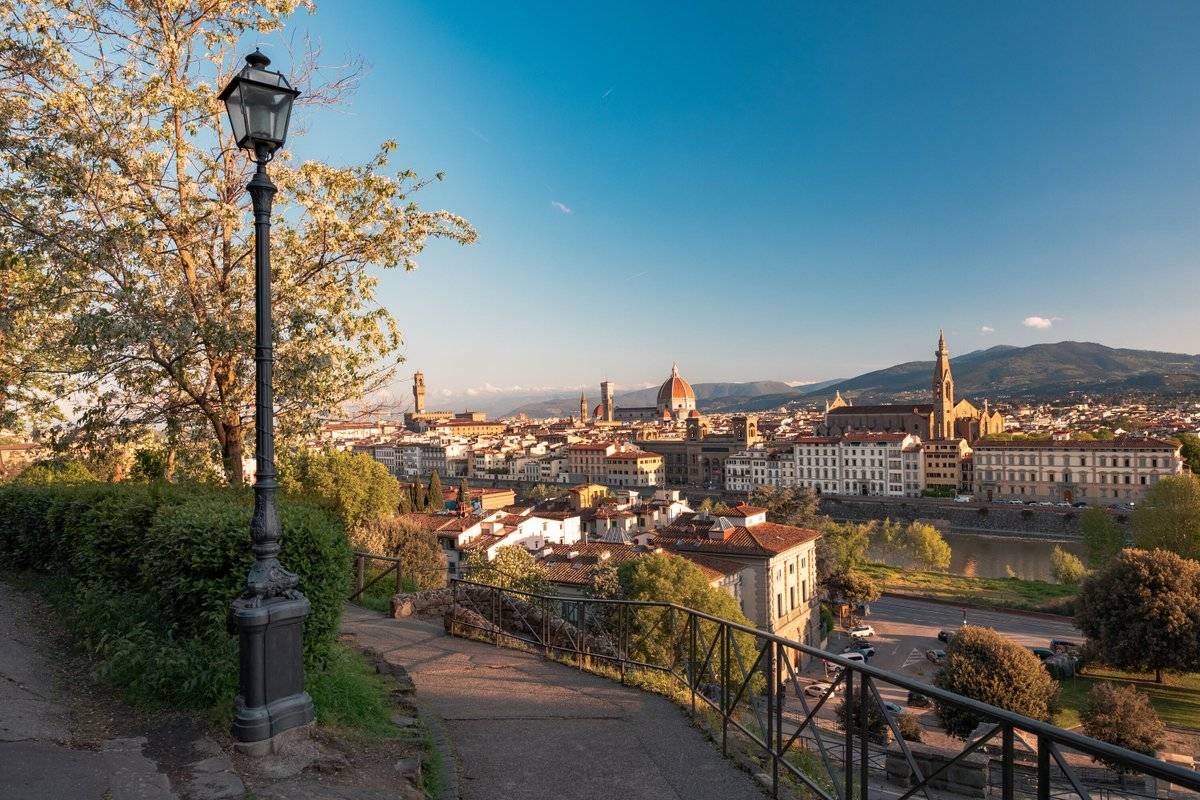
All Saints’ Weekend in Tuscany 2026: A Free-Museum Sunday, a Holiday, and the Monday Everything Closes
Ognissanti 2026 falls on Sunday 1 November — a first Sunday, so state museums are free — then the Uffizi and Pitti close on Monday. The plan that works.
In this guide
- Quick answer
- Sunday 1 November: free museums, and what “free” costs
- The holiday: transport, shops, and the Sunday that is also a feast
- Monday 2 November: the closed day, used well
- Three plans for the three days
- The week after: what the calendar holds
- Booking it: beds, tables and tickets, in the right order
- How we checked these details
- Final thoughts
- FAQ
Quick answer
In 2026 the calendar does something awkward and useful with Italy's All Saints' holiday. Ognissanti, 1 November, falls on a Sunday — which means there is **no *ponte*, no bridge-day long weekend, because the holiday consumes a day nobody was working anyway; and it is also the first Sunday of the month**, which under Italy's *Domenica al Museo* scheme makes state museums free: in Florence, the Uffizi, the Accademia, the Pitti and the Bargello group among them. Then, on Monday 2 November — not a holiday in Italy — the Uffizi and the Pitti close for their weekly rest day, as they do every Monday.
So the weekend has a shape: Saturday 31 October ordinary and busy (and the last full day of Lucca Comics, with its exodus to follow); Sunday 1 November a public holiday *and* a free-museum day, with Sunday transport timetables and the year's longest Uffizi queue; Monday 2 November a working day with the big Florentine museums shut and the crowds gone. Plan the three days in that order and the weekend is one of the year's best; plan it as a normal weekend and Sunday will ambush you.
The rest of this page is the plan: what free entry actually involves, how the holiday changes transport and shops, what to do with Monday, and the November calendar that follows — the Siena Duomo floor's final fortnight, the truffle fairs, the new oil.
Sunday 1 November: free museums, and what “free” costs
The scheme. *Domenica al Museo* opens Italy's state museums and archaeological parks free on the first Sunday of every month — no ticket, no reservation. In 2026 that Sunday is 1 November, so the holiday and the free day coincide, and the two crowds — Italians off work, visitors chasing the Uffizi — arrive together.
What it means in Florence. The state collections are the big ones: the Uffizi, the Accademia (David), the Pitti Palace and Boboli, the Bargello and its group. Free entry there is genuine and unbooked — which is the catch. Without reservations, the queues on free Sundays form well before opening, and at the Uffizi and Accademia on a holiday Sunday they will be the year's longest. The regional museums directorate's standing advice is blunt: arrive early. Our own Uffizi and Accademia sold-out guides explain the alternatives when a queue is not the day you want.
The honest calculation. For a first-time Uffizi visit, a booked weekday ticket beats a free holiday Sunday every time; the saving is real but the hours are worth more. Free Sunday is for the second-tier state museums — the Bargello's sculpture, the Pitti's Palatine Gallery, San Marco's Fra Angelico cells — where the queue is short and the saving is the same. And it is for Siena, whose state museum, the Pinacoteca Nazionale, is free that day too and never queued.
Municipal museums are different. Florence's civic museums — Palazzo Vecchio, the Brancacci, Santa Maria Novella — and Siena's civic sites — the Museo Civico, the Torre del Mangia, Santa Maria della Scala — are not in the state scheme; they run their ordinary holiday hours and prices. Neither is the Siena cathedral complex, where the uncovered floor's tariff applies, with the Opera's own free-winter window beginning the same day — the overlap our cathedral guide flags.
The holiday: transport, shops, and the Sunday that is also a feast
Ognissanti is a national public holiday, and on a Sunday its effects stack with the ordinary Sunday ones:
- Transport runs on holiday timetables. Regional trains thin, and Siena's extraurban bus network shrinks to its Sunday skeleton — the day-trip buses to the hill towns are effectively out of reach. Florence–Siena on the 131 runs, but check the holiday timetable, not the weekday one. This is the day to be *in* a city, not moving between them.
- Food shops and markets close, as on any Sunday, and many restaurants are full with Italian families on the holiday's traditional lunch. Book Sunday lunch — in Florence, Siena or any hill town — or eat early.
- Churches are in use. All Saints is a major feast; morning Masses fill the great churches, and the cemeteries are busy the same day and the next, when Italy remembers its dead on 2 November. Visit the Duomo and the basilicas in the afternoon, and treat the mornings as the town's, not yours.
- The Lucca effect. Lucca Comics & Games ends on this Sunday, releasing its crowds onto the Pisa and Florence lines that evening. If you are travelling on the Tuscan west-coast railway on Sunday 1 November, expect it.
The upside is real: a Sunday holiday in a Tuscan city is the region at its most itself — families in the piazzas, the long lunch, the evening *passeggiata* at full strength — and it costs nothing to watch.
Monday 2 November: the closed day, used well
2 November is not a public holiday — it is All Souls' Day, observed but ordinary — so Italy goes back to work, and the museums go to their weekly rest: in Florence the Uffizi, the Pitti and the Cenacolo close on Mondays, as does the Accademia. Arriving on Monday expecting the big three is the classic post-holiday error.
What Monday is for:
- The civic and church sites that open Mondays — Palazzo Vecchio, the Duomo complex, the basilicas, Santa Croce — and the Boboli-free Oltrarno of workshops and lunch.
- Siena, where the cathedral floor is uncovered until 15 November and the crowds of the holiday Sunday have gone home. The Duomo complex opens; the Museo Civico opens; the city is on a working-day footing with a Monday's calm. It is the best day of the three to be there.
- The hill towns by car, with the holiday traffic over and the roads empty.
- The truffle country warming up: the season is legal from 1 October, and the first fair — San Giovanni d'Asso on 7–8 November — is the following weekend; Monday is the day to book the hunt and the tables.
And then the November that follows: the Duomo floor's last fortnight, San Miniato's truffle weekends from the 14th, the new oil at the mills, and a region that has just handed itself back to its residents. The holiday weekend is the hinge between Tuscany's autumn and its winter; used in the right order, it is a very good hinge.
Three plans for the three days
Florence-based. *Saturday*: a booked museum — the Uffizi or the Accademia with a reservation, because Sunday's free entry is not worth the queue for a first visit — and the Oltrarno for the afternoon. *Sunday*: the free state museums you would otherwise skip — the Bargello, San Marco, the Pitti's Palatine Gallery — an early start, a booked lunch, the holiday piazzas in the evening. *Monday*: the Duomo complex and Palazzo Vecchio, which open, or the bus to Siena.
Siena-based. *Saturday*: the city at its autumn best, with the Duomo floor uncovered and the OPA SI Pass at its uncovered-period price. *Sunday*: the free Pinacoteca Nazionale in the morning, All Saints Mass in the cathedral if the liturgy interests you, a booked lunch, and the Campo at dusk — no hill-town buses, so stay put. *Monday*: the Museo Civico and the Torre del Mangia on a quiet working day, or Buonconvento by train for the one car-free hill-town trip that works on any day.
Car-based. *Saturday*: the Val d'Orcia loop before the holiday traffic. *Sunday*: a city day — Siena or Florence — because the hill towns' restaurants are full and their museums on holiday hours. *Monday*: the empty roads — the Crete Senesi, the southern Val d'Orcia, or the drive west to Lucca and Pisa after the comics crowds have gone home.
In all three, the rule is the same: Sunday indoors and in a city, Monday outdoors or in Siena, Saturday for the booked thing.
The week after: what the calendar holds
The All Saints weekend is not the destination; it is the doorway to Tuscany's best-value fortnight, and the dates around it are worth having in one place:
- 1 November: the Opera del Duomo's free-winter cathedral window in Siena begins — overlapping the uncovered-floor tariff until the 15th, an overlap our cathedral guide tells you to budget for.
- 1 November onward: the white truffle season is legal (from 1 October) and the first fair is a week away — San Giovanni d'Asso, 7–8 November, with a Treno Natura heritage-train service advertised for the Sunday.
- 14–15 November: the shared truffle weekend — San Miniato's first and San Giovanni d'Asso's second — and the Duomo floor's last uncovered days; the boarding returns on the 15th.
- Through November: olio nuovo at its peak at the mills, the region's best month for food and its most negotiable for rooms.
- 4–8 December: Siena's Mercato nel Campo, five days this year, for those who stay long enough.
Book the truffle tables and the Duomo visit before the weekend; leave the rest loose. Tuscany in November is the full month's case, and the All Saints weekend is where it starts.
Booking it: beds, tables and tickets, in the right order
Beds. Even without a bridge day, the Sunday holiday concentrates Italian domestic travel on the weekend of 31 October–1 November, and the Lucca Comics finale has already absorbed the west of the region's rooms; book Florence and Siena before the last week of October, and expect Saturday night to be the tight one. Monday night, by contrast, is the start of the low season proper — the moment our November guide calls the year's most negotiable — so a three-night stay that begins on the Saturday ends in the cheap part of the week.
Tables. Sunday lunch on a feast day is the one meal of the weekend that genuinely needs a reservation, everywhere from a Florence trattoria to a Val d'Orcia village; our restaurants guide's rule — book the destination meals, walk into the rest — applies with Sunday moved into the first category.
Tickets. Book the Saturday museum; leave Sunday unbooked, because free entry is unbooked by design; and check the Monday closures before assuming anything. For Siena, the OPA SI Pass covers the cathedral complex on any of the three days at the uncovered-floor price.
Everything else can wait for the day.
How we checked these details
Checked 21 September 2026, by web research; direct page fetches are blocked in our environment, so this rests on search-surfaced material — the Ministry of Culture's *Domenica al Museo* scheme, the regional state-museums directorate's holiday notices, the Florentine press's holiday-weekend coverage in recent years, and the fixed Italian calendar — rather than pages we opened.
Verified: that 1 November 2026 is a Sunday and Italy's Ognissanti public holiday; that 2 November is not a public holiday; that the first Sunday of the month brings free entry to state museums and archaeological parks without ticket or reservation under *Domenica al Museo*, with the directorate's advice to arrive early because queues form before opening; that the Uffizi, Pitti and Cenacolo observe their Monday closure; that Sunday and holiday transport timetables apply, per our car-free guide's verification; and the November calendar that follows — the Siena Duomo floor uncovered to 15 November, the truffle fairs' dates, Lucca Comics' end on 1 November — from the linked guides' own verification.
Stated with care: which individual state museums participate on a given first Sunday — the scheme is national but institutions occasionally opt out for special exhibitions, so check the museum's own notice; the hotel-price picture for the weekend, which we do not quantify; and Siena's Pinacoteca's participation, which follows the national rule but should be confirmed on the day.
We have no commercial relationship with any museum, operator or body named. Nothing on this page is bookable through us.
Final thoughts
Three days, three different countries: a Saturday that is ordinary Tuscany at the end of its season, a Sunday that is Italy on holiday with its museums thrown open and its queues at full length, and a Monday that is the quiet working region with its biggest doors shut. The mistake is to treat them alike. The plan is to give Sunday to the piazzas and the second-tier museums, Monday to Siena and the hill towns, and Saturday to whatever you would have done anyway.
Do that, and the weekend Italians call a non-bridge becomes the best free ticket of the year — and the door into the November that our whole autumn calendar has been pointing toward.
Helpful summary
The short version
Ognissanti 2026 falls on Sunday 1 November — a first Sunday, so state museums are free — then the Uffizi and Pitti close on Monday. The plan that works.
Frequently asked
FAQ
Keep reading
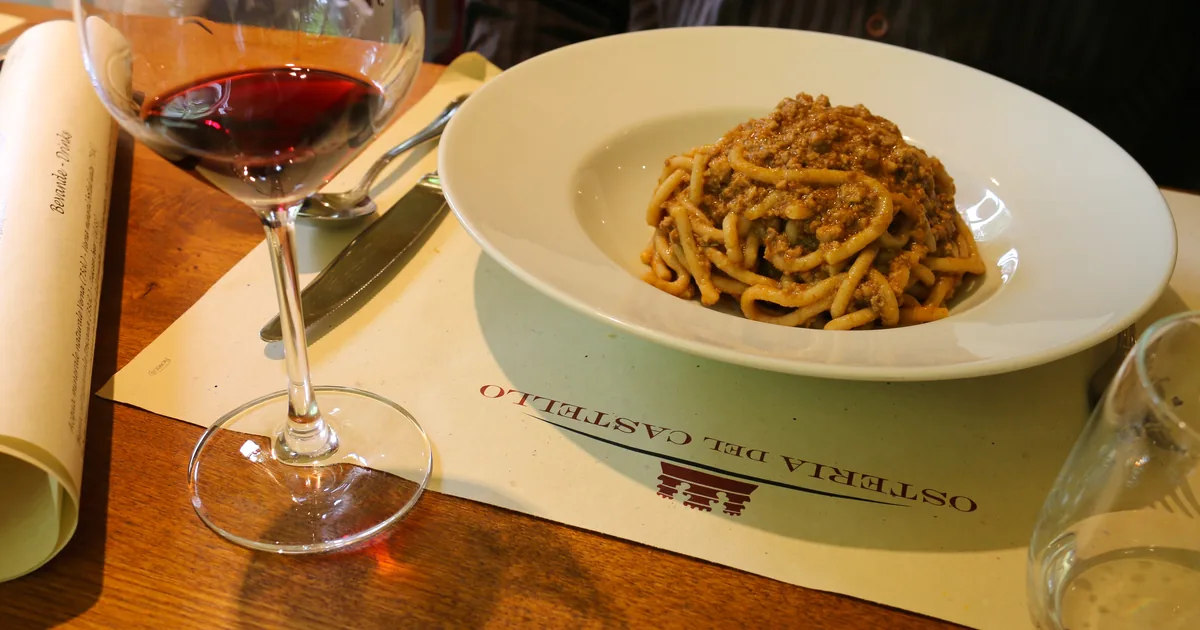
What to Buy in Tuscany: Souvenirs Worth Suitcase Space (and Where)
What to buy in Tuscany, honestly: the oil, saffron, sweets, wine and crafts that are really from here, where to buy each — and the traps to skip.
12 min read · Updated 2026-08-16
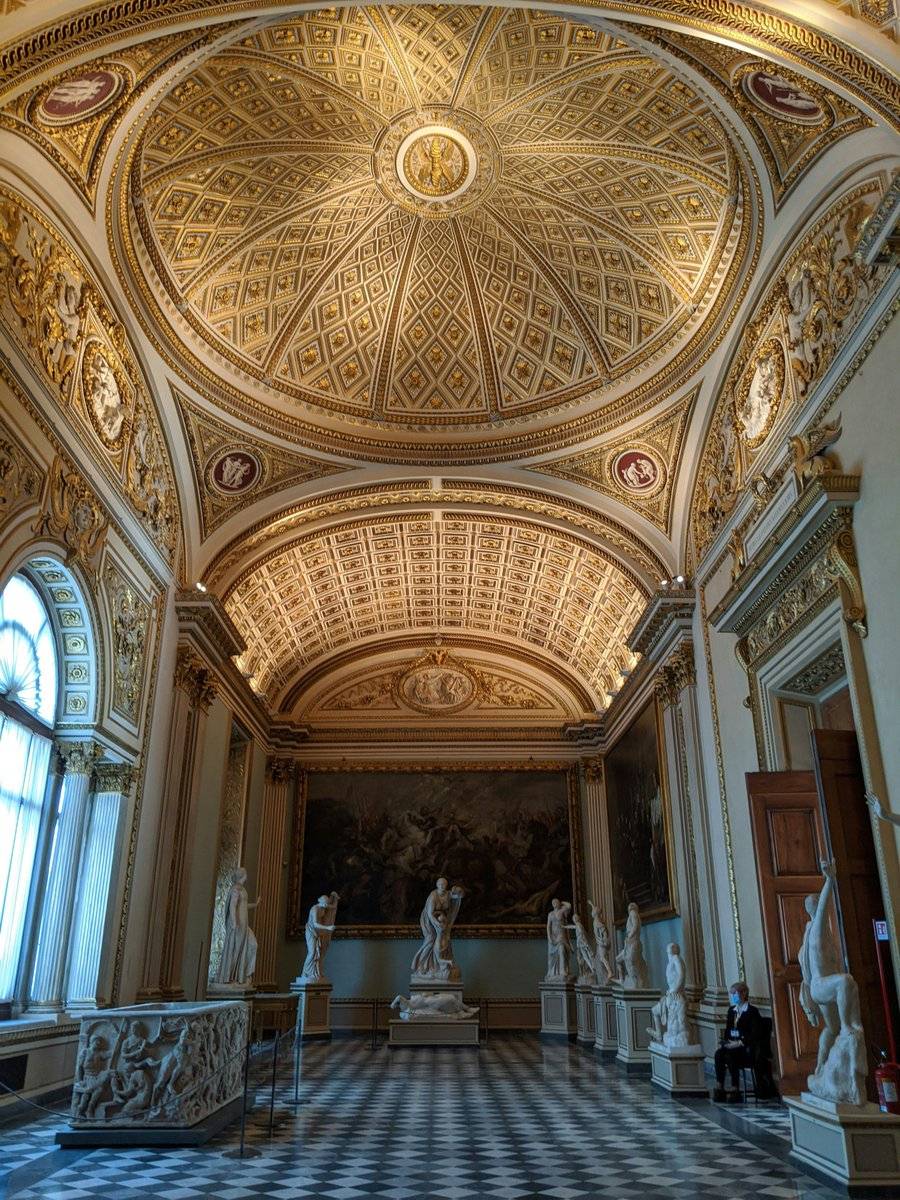
Florence or Siena: Which Should You Visit in 2026? An Honest Comparison
Florence or Siena in 2026? An honest comparison: first trips, bases, art, food, budgets, seasons — and how to combine both in one itinerary.
12 min read · Updated 2026-08-03
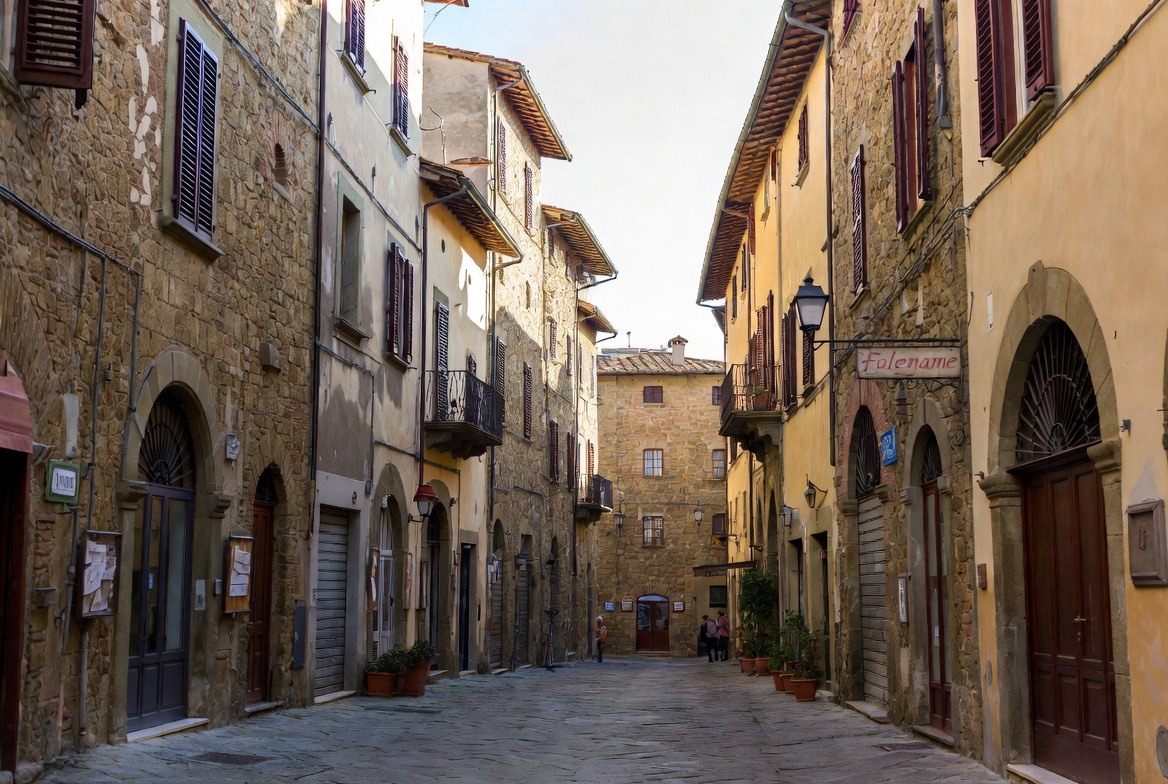
Florence’s New Tourist Rules 2026: What Actually Changed (and What’s Recycled News)
Florence’s real 2026 rules, verified: the outdoor-dining overhaul, the e-scooter rental ban, keybox and rental restrictions — and the recycled myths.
11 min read · Updated 2026-08-01