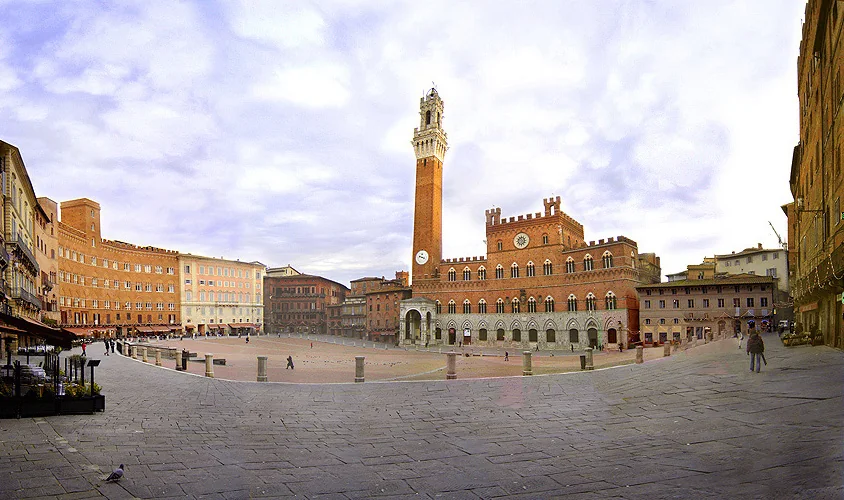
15 Siena Travel Mistakes to Avoid on Your First Trip
Avoid common Siena travel mistakes, from ZTL fines and steep walks to rushed itineraries, Palio crowds and poor arrival planning.
Photo: Ricardo André Frantz (Tetraktys), CC BY-SA 3.0. Converted to WebP.
In this guide
- Introduction
- Mistakes at a glance
- 1. Treating Siena as a quick photo stop
- 2. Driving toward the historic centre without understanding the ZTL
- 3. Choosing parking only by distance on a map
- 4. Assuming the train station is in the old town
- 5. Underestimating hills and cobbles
- 6. Trying to see every museum in one day
- 7. Assuming Torre del Mangia works like a standard advance ticket
- 8. Expecting the cathedral floor to be uncovered all year
- 9. Failing to check Palio dates
- 10. Treating the contrade as decorative tourist themes
- 11. Eating only on Piazza del Campo
- 12. Filling the day with tickets and leaving no wandering time
- 13. Ignoring heat and midday exposure
- 14. Choosing accommodation only by “central” location
- 15. Leaving immediately after the main sights
- A better first-day structure
- Booking mistakes to avoid
- Final advice
- FAQ
Introduction
The most common Siena mistakes do not come from missing an obscure museum. They come from underestimating hills, arriving without a luggage plan, driving toward the centre, assuming every ticket works the same way, and turning a compact city into a rushed checklist.
These Siena travel tips focus on decisions that change the whole day.
Quick answer: Do not drive into the historic-centre ZTL, underestimate the walk from the station, assume Torre del Mangia can be booked in advance, expect the cathedral floor to be visible year-round, or combine Siena with too many towns. Wear proper shoes, check Palio dates, and allow at least one full day.
Mistakes at a glance
| Mistake | What goes wrong | Better decision |
|---|---|---|
| Treating Siena as a two-hour stop | The city becomes only Campo and Duomo photos | Allow one full day |
| Driving toward a central address | ZTL risk and difficult streets | Choose parking before arrival |
| Ignoring the hills | Fatigue changes the itinerary | Build breaks and use practical routes |
| Assuming the station is central | Arrival starts with an uphill transfer | Plan bus, escalator, taxi, or hotel transfer |
| Booking every attraction | The day becomes queues and indoor time | Choose priorities |
| Expecting the Duomo floor year-round | Disappointment | Check official uncovering dates |
| Treating the tower like a normal timed ticket | Slots sell out | Buy same-day early |
| Visiting during Palio without research | Closures and crowds surprise you | Plan specifically for the event |
| Eating only on Piazza del Campo | Higher prices and limited comparison | Explore side streets |
| Leaving no evening time | You miss Siena’s calmer atmosphere | Stay late or overnight |
1. Treating Siena as a quick photo stop
Siena is compact, but compact does not mean disposable. Piazza del Campo, the cathedral complex, one museum or viewpoint, lunch, and a contrada walk already fill a satisfying day.
A two-hour stop may produce recognizable photographs but little understanding of the city. If your Tuscany schedule contains several towns in one day, remove one rather than reducing every destination to a parking break.
Use the best things to do in Siena to choose priorities.
2. Driving toward the historic centre without understanding the ZTL
Siena’s historic centre has a restricted traffic zone. Navigation apps may route you toward streets that are physically possible but legally restricted.
Do not enter simply because a hotel appears inside the walls. Contact the property in advance and ask for the exact arrival procedure, authorized access rules, parking location, and luggage plan.
Read where to park in Siena before starting the drive, and how to avoid a ZTL fine for what happens if a camera catches you anyway.
3. Choosing parking only by distance on a map
A parking facility that looks close may still involve steep climbing, stairs, or an inconvenient route with luggage. The best parking depends on which side of the city you need.
Il Campo and Il Duomo are central but more expensive. San Francesco, Santa Caterina, and the station facilities use escalator connections that can be useful for specific routes. Live availability and rates should be checked before arrival.
4. Assuming the train station is in the old town
Siena station is outside and below the historic centre. The city is reachable by local transport, escalator systems, taxi, or a demanding walk.
Travelers with luggage, children, mobility limitations, or a tight schedule should choose the transfer before boarding the train. The central arrival of some buses can be more convenient, which is why Florence to Siena by train or bus compares more than journey time.
5. Underestimating hills and cobbles
Distances look small because the historic centre is compact. Elevation changes, irregular paving, and stairs make those distances more demanding.
Wear supportive shoes and place café or museum breaks between steep sections. Travellers with limited mobility should verify accessible entrances and avoid building a day around towers.
6. Trying to see every museum in one day
Siena has enough museums and religious sites to overwhelm a short visit. The Duomo complex alone can take several hours.
Choose one main indoor block: the cathedral complex, Museo Civico, or Santa Maria della Scala. Add another only when the day remains comfortable.
A better first visit combines art with streets, food, and atmosphere.
7. Assuming Torre del Mangia works like a standard advance ticket
Official 2026 information states that tickets including Torre del Mangia are sold on the day and cannot be reserved in advance. Capacity is limited, and departures are scheduled in small groups.
If the tower is a priority, check availability early. Have a backup plan such as the Museo Civico or Facciatone, and do not buy a third-party product that implies guaranteed tower access without explicit proof.
8. Expecting the cathedral floor to be uncovered all year
The full marble inlay floor is visible only during scheduled periods. Outside those dates, parts are protected for conservation.
Check Opera Duomo Siena’s official calendar before building the trip around the floor. The cathedral remains worth visiting at other times.
9. Failing to check Palio dates
The Palio races are traditionally held on July 2 and August 16, with preparations and neighbourhood events on surrounding days.
This is not a normal high-season visit. Barriers, rehearsals, crowd controls, museum adjustments, transport changes, and intense contrada activity can affect the centre.
Choose deliberately: avoid those dates for a calm first visit, or research them carefully when the Palio is the reason for travelling.
10. Treating the contrade as decorative tourist themes
Siena’s 17 contrade are living communities with traditions, private spaces, ceremonies, and strong identity.
Photograph public streets respectfully, but do not intrude on meals, gatherings, or religious moments. During Palio periods, follow local instructions and remember that the event belongs to the city before it belongs to visitors.
11. Eating only on Piazza del Campo
A drink or meal on the Campo can be worth the premium for the setting. The mistake is choosing every meal there without comparing quality, menu, or price.
Explore Via di Città, Via Banchi di Sopra, and side streets. Look for pici, crostini neri, local pecorino, seasonal dishes, ricciarelli, and panforte.
The Tuscany food guide explains what is regional and what is simply common tourist-menu language.
12. Filling the day with tickets and leaving no wandering time
The city’s best moments often happen between major sights: a contrada fountain, a view through an arch, a quiet lane, or a long aperitivo.
Leave at least one unstructured hour. A schedule that is fully booked may be efficient but rarely feels like Siena.
13. Ignoring heat and midday exposure
July and August can be demanding. Brick squares, steep streets, and tower climbs add physical stress.
Start early, carry water, choose shaded routes, and use museums or lunch for the hottest period. Do not plan Torre del Mangia, a long outdoor walk, and Orto de’ Pecci’s return climb consecutively at midday.
For seasonal planning, read the best time to visit Tuscany.
14. Choosing accommodation only by “central” location
A central room can be close to everything and still be wrong for your trip. Consider stairs, noise, luggage access, air conditioning, breakfast, check-in hours, and the route from your arrival point.
A hotel can simplify a short stay; an apartment can suit families or longer visits. Compare the trade-offs in Siena hotel vs apartment, then choose the area in where to stay in Siena.
15. Leaving immediately after the main sights
Siena becomes calmer when day-trippers depart. The evening light, aperitivo hour, and quieter Campo can be more memorable than another daytime museum.
When possible, stay overnight or leave after dinner. Couples can use the Siena weekend itinerary, while families can adapt Siena with kids in one day.
A better first-day structure
A realistic first day looks like this:
- Early Piazza del Campo.
- Same-day tower check if needed.
- Duomo complex before or after an early lunch.
- One afternoon choice: contrade, Santa Maria della Scala, or a green break.
- Aperitivo and an unhurried final walk.
This order protects the essential sights while leaving flexibility for weather, crowds, and energy.
Booking mistakes to avoid
Use official attraction sites for opening hours, ticket rules, worship schedules, and accessibility. Use commercial platforms only when they add a genuine service such as a guided walk, food tour, or multi-stop excursion.
Do not invent urgency, assume “skip the line” applies to every attraction, or treat a tour marketplace as the official ticket source.
Final advice
The easiest way to enjoy Siena is to stop treating efficiency as the goal. Plan the legal arrival, protect your energy, choose a few important sights, and leave time for the streets between them.
When the schedule loosens, Siena stops feeling like a difficult medieval city and starts feeling like the place you hoped Tuscany would be.
*Editorial fact-check: July 12, 2026. Parking rules, ticketing, opening hours, accessibility, and Palio arrangements can change. Verify official information before travel.*
Helpful summary
The short version
Avoid common Siena travel mistakes, from ZTL fines and steep walks to rushed itineraries, Palio crowds and poor arrival planning.
Frequently asked
FAQ
Keep reading
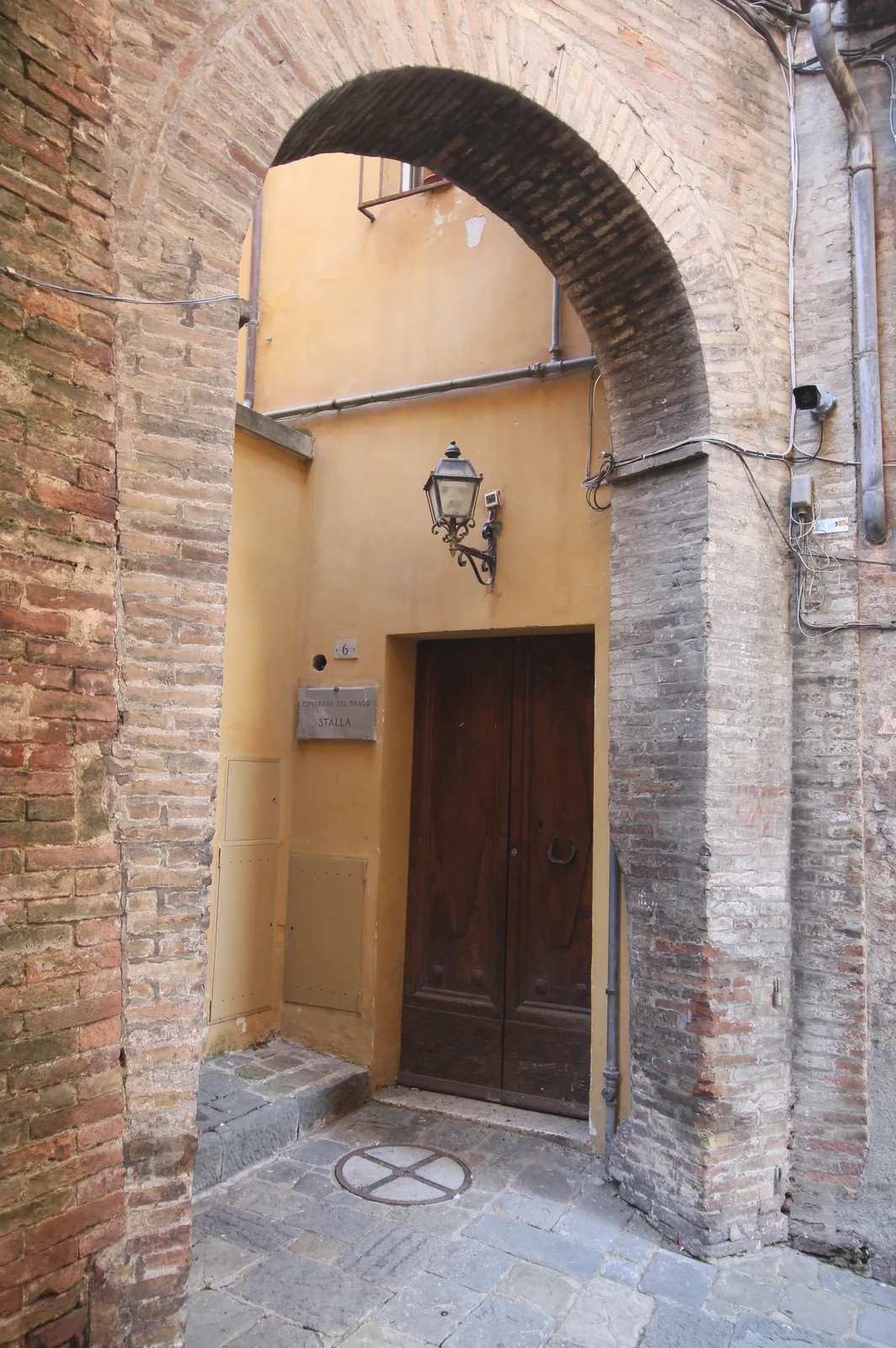
Siena in Palio Week: Ferragosto, Closures and What Still Opens
In 2026 Ferragosto falls inside Palio week. Verified museum hours for 15 and 16 August, and the gaps the operators do not publish.
6 min read · Updated 2026-07-28
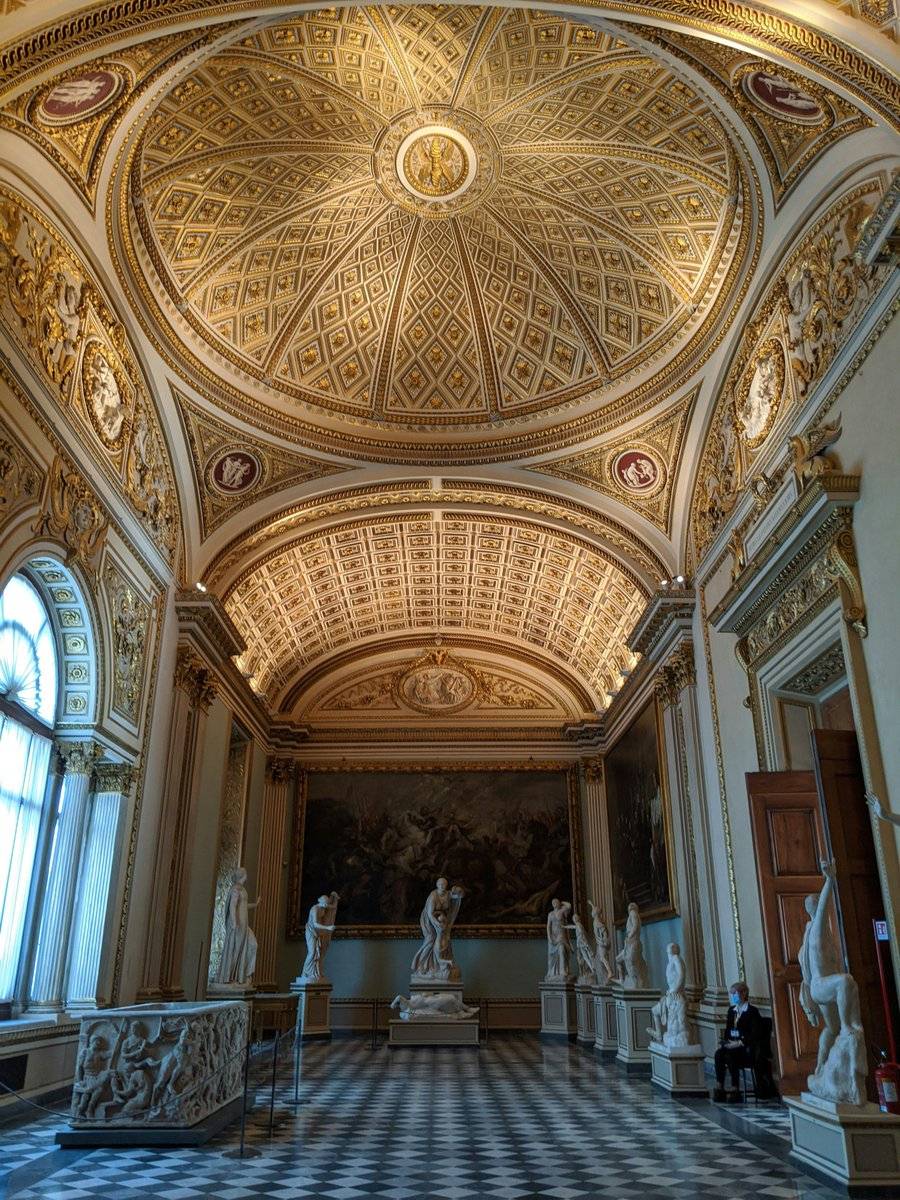
Florence or Siena: Which Should You Visit in 2026? An Honest Comparison
Florence or Siena in 2026? An honest comparison: first trips, bases, art, food, budgets, seasons — and how to combine both in one itinerary.
12 min read · Updated 2026-08-03
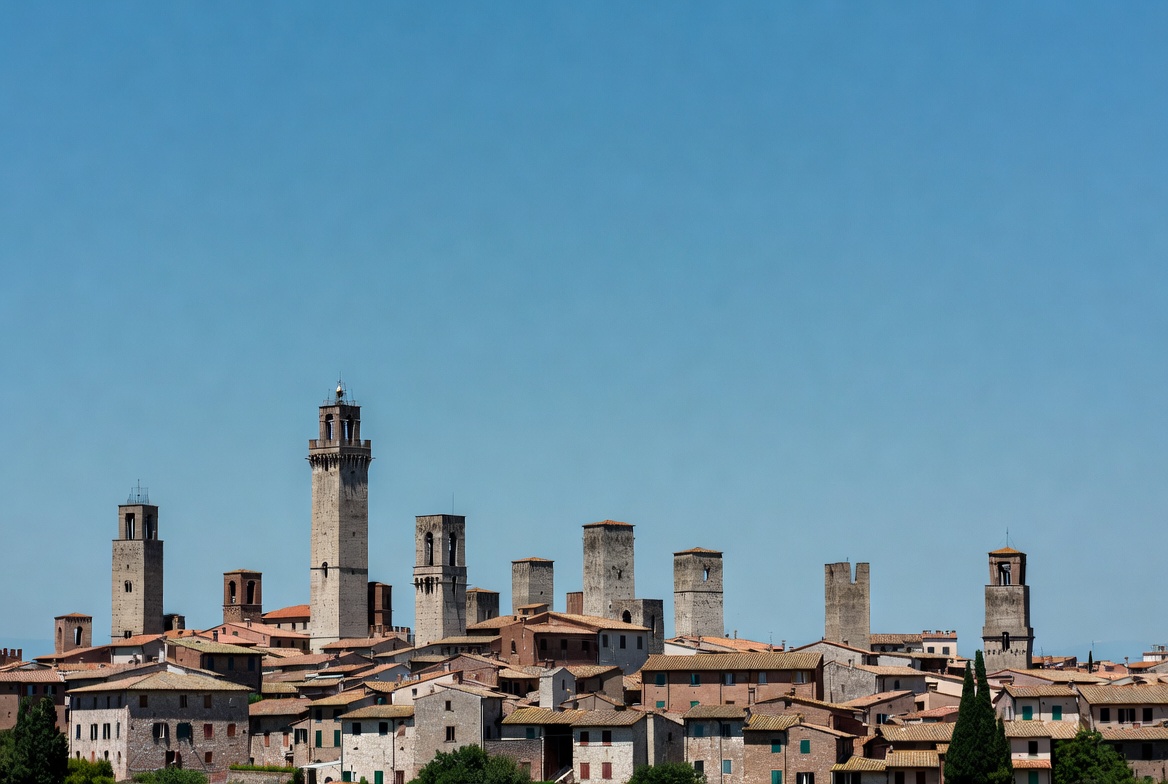
Italy Hotels Without AC in 2026: The Honest Guide to Staying Cool in Tuscany & Siena
Shocked by Italy hotels without AC in Tuscany and Siena? Learn why many rooms hit 38°C, how to book real cooling, and 10 survival tips for summer heat.
9 min read · Updated 2026-07-26